
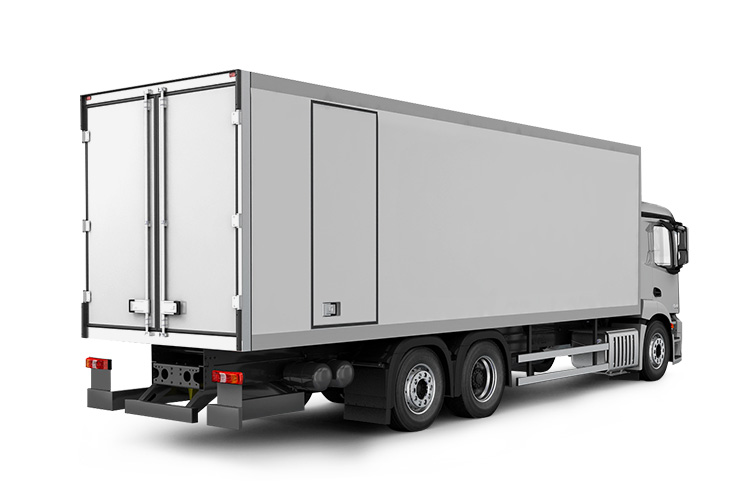
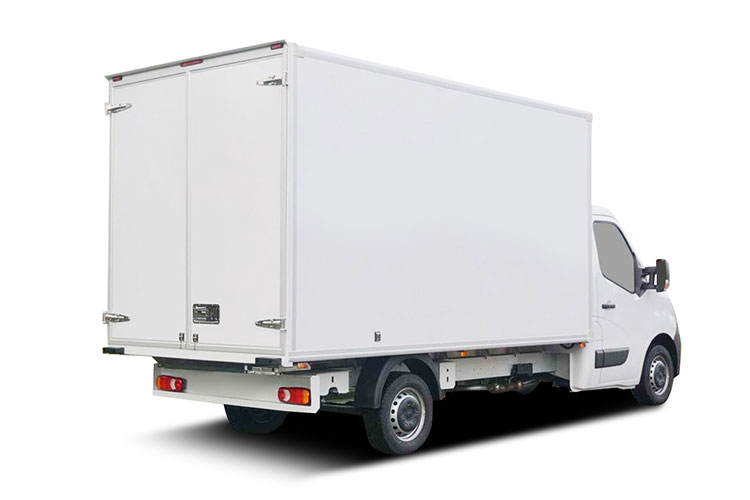
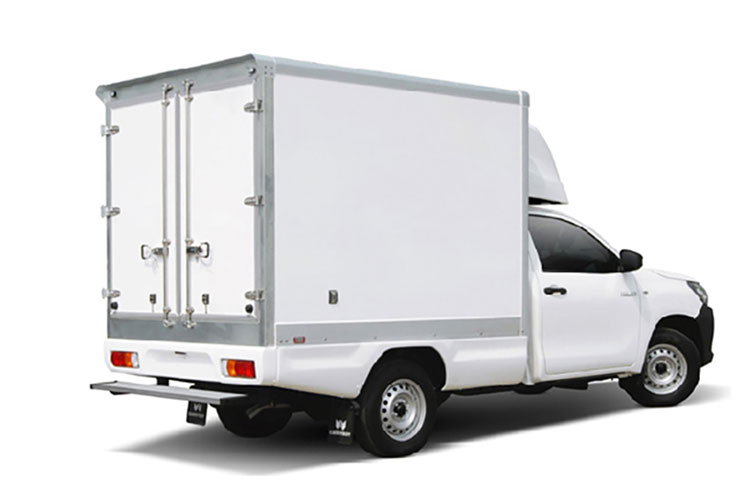
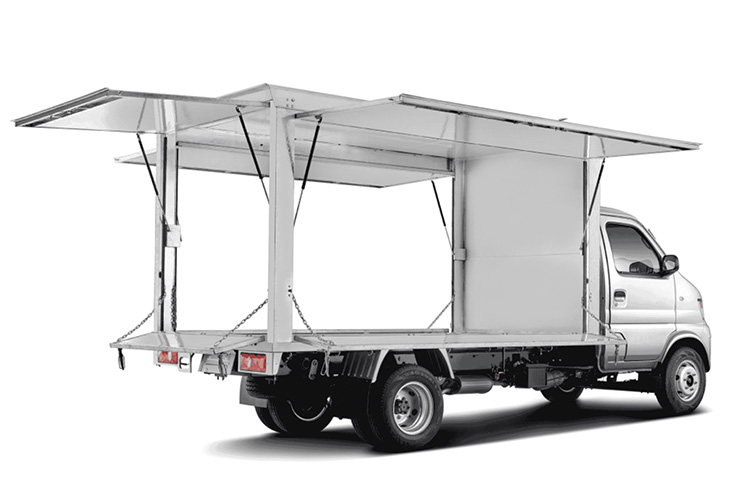
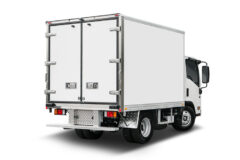
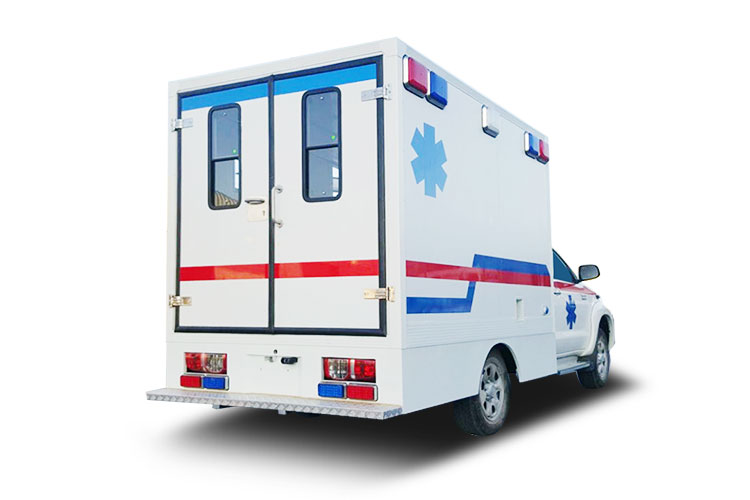
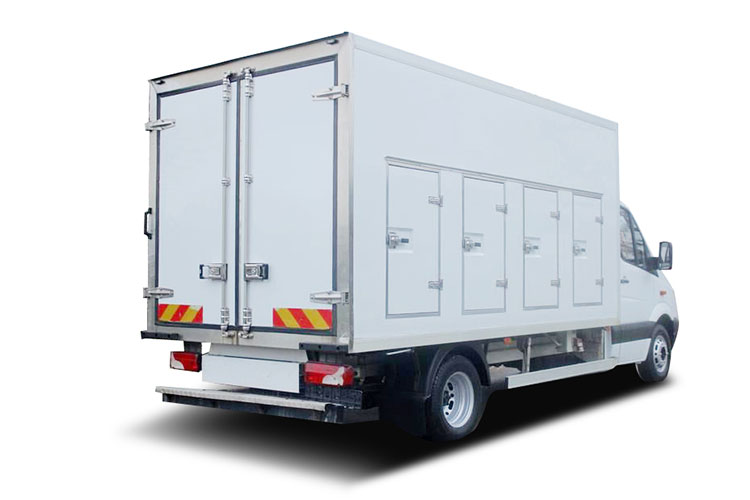

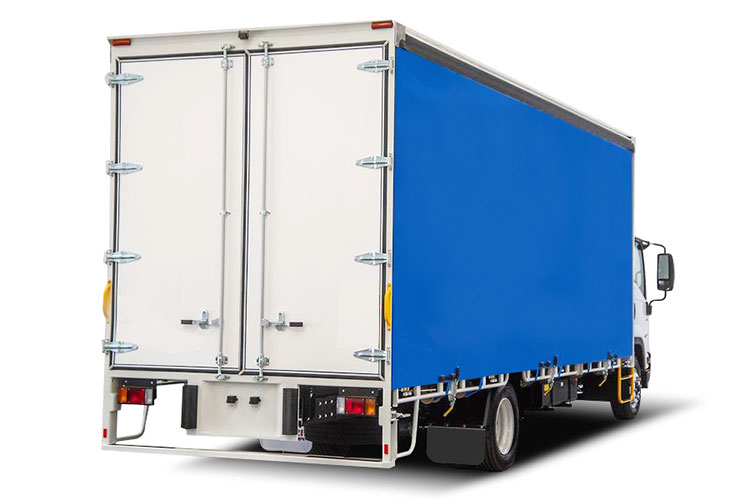
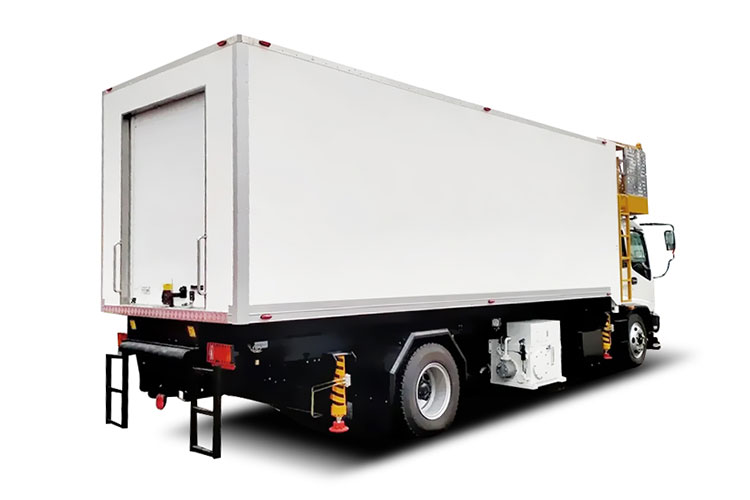
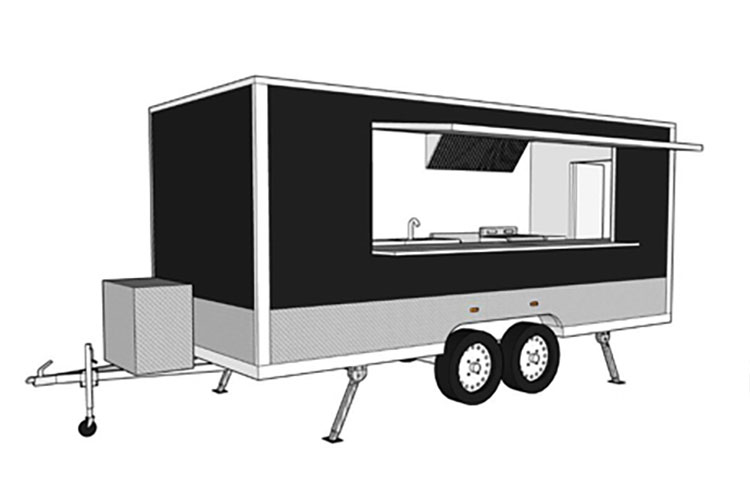




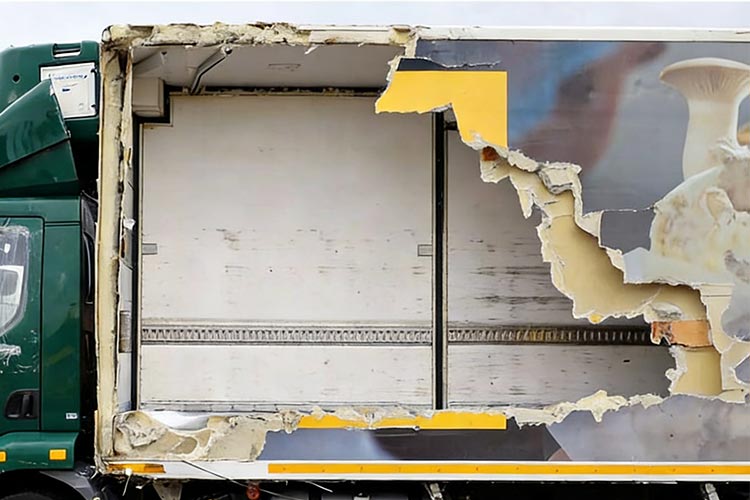
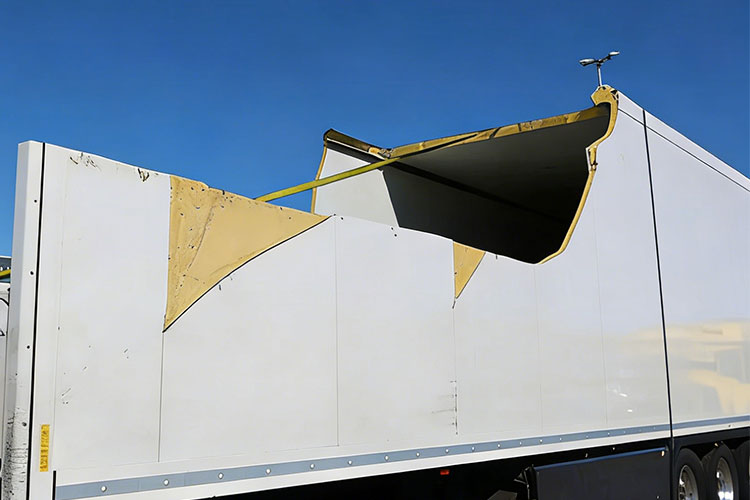
Refrigerated boxes are critical for maintaining the integrity of perishable goods during transportation, yet many operators face frequent damage issues that disrupt logistics and incur significant costs.
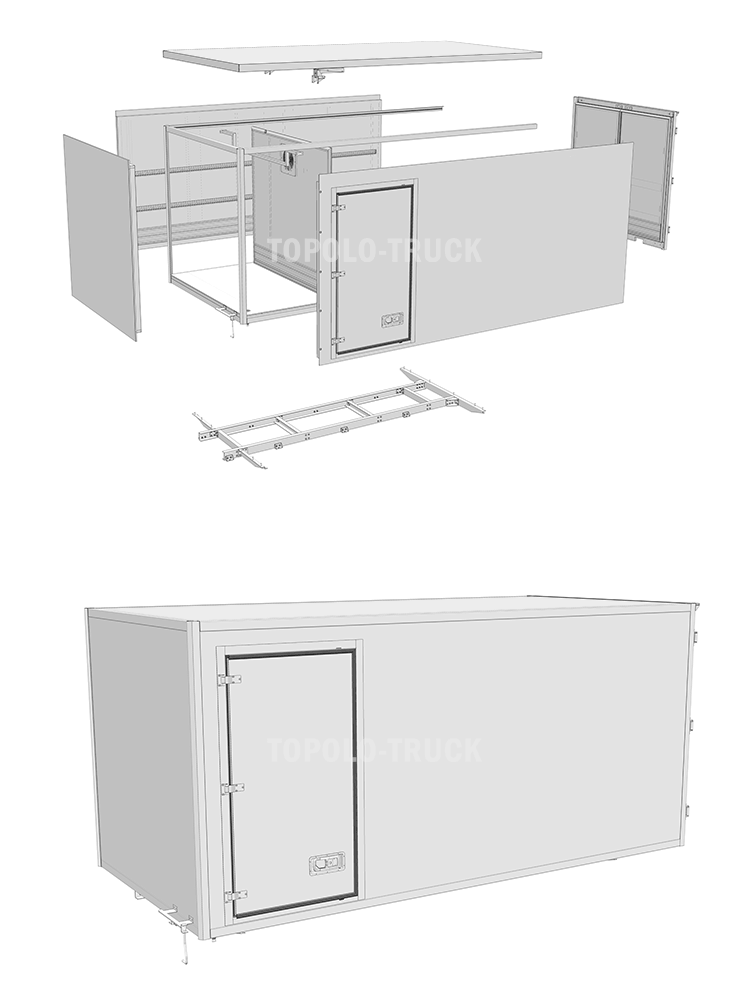
Before answering this question, it’s important to understand how a modern refrigerated truck body is built.
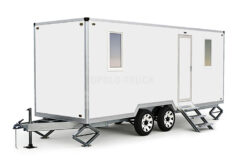
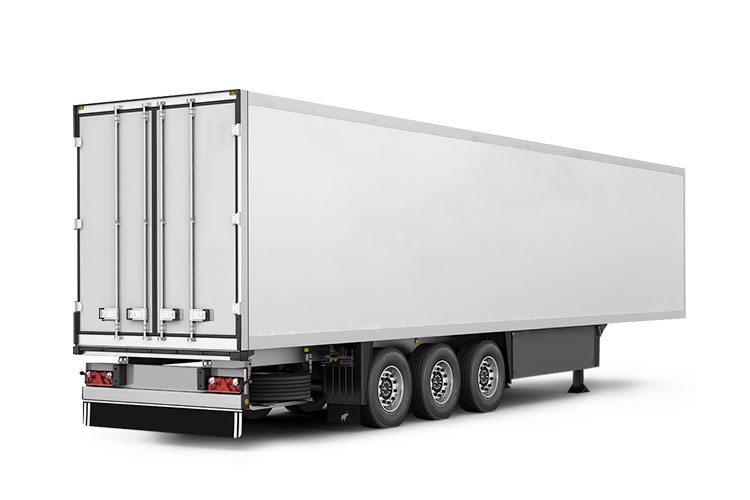
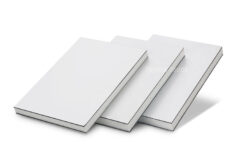
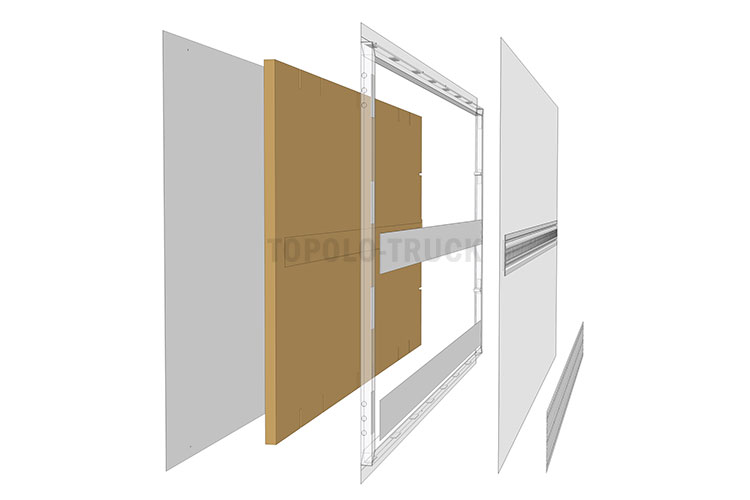
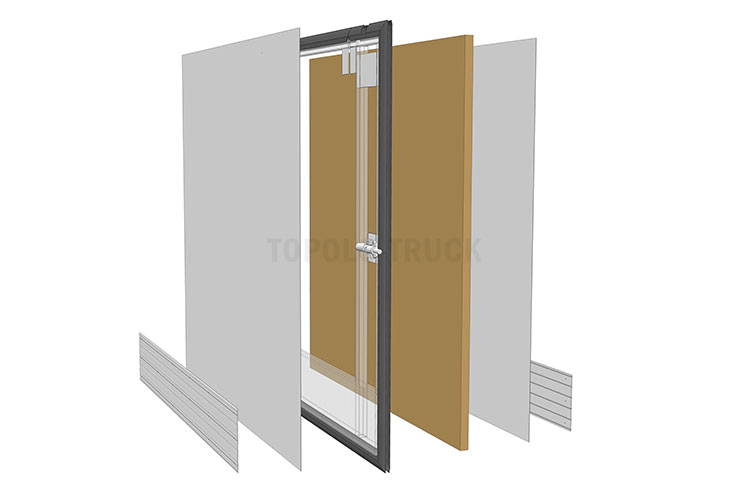
Today’s refrigerated boxes are typically designed with a modular structure, much like building blocks. The body is assembled from key panels—front wall, side walls, roof, floor, and rear doors. More complex units may also include internal partitions for multi-temperature zones. These components are connected using metal profiles and hinges, allowing for efficient assembly. For many companies—such as repair workshops, truck body builders, and leasing operators—this modular approach, especially using CKD (Completely Knocked Down) and SKD (Semi-Knocked Down) kits, significantly improves production efficiency and supports scalable manufacturing.
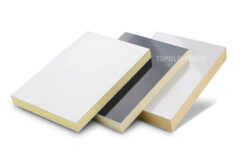
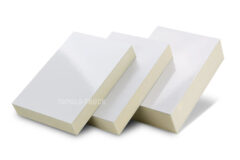
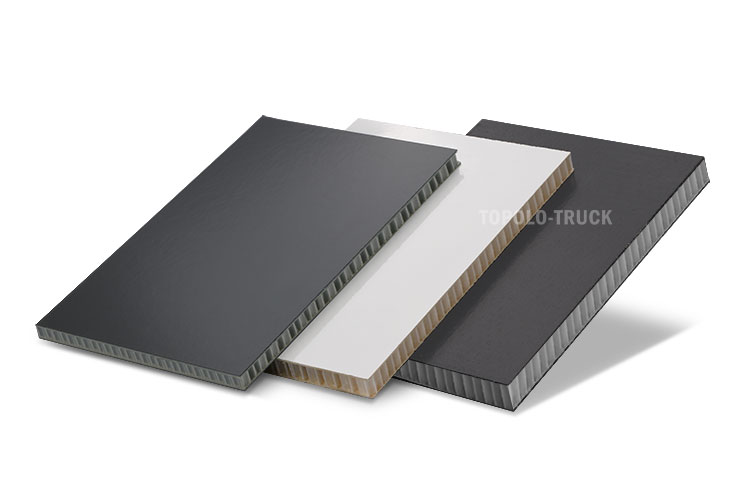
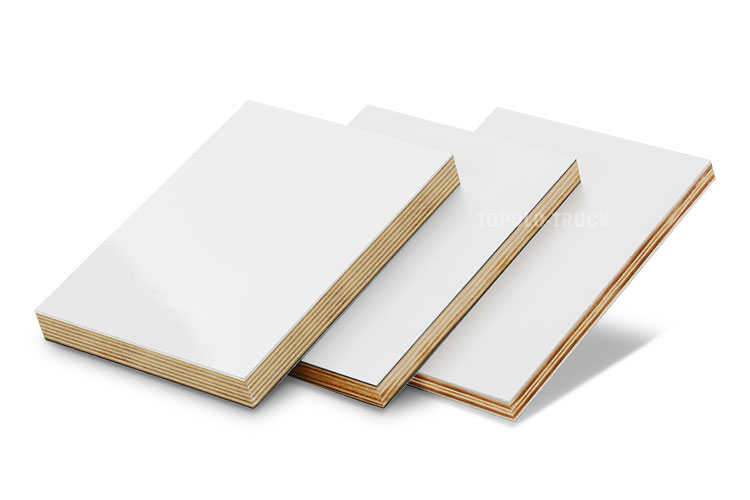
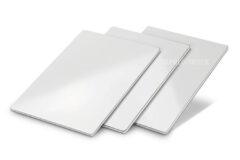
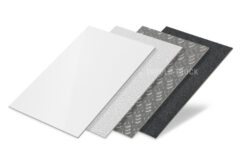
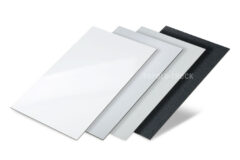
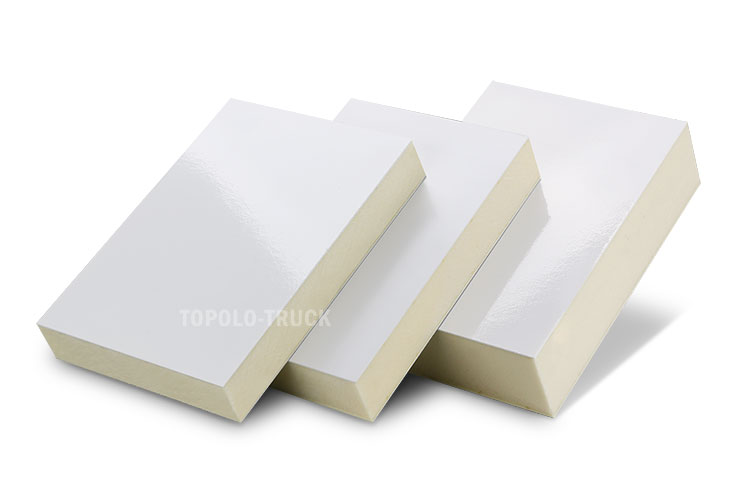
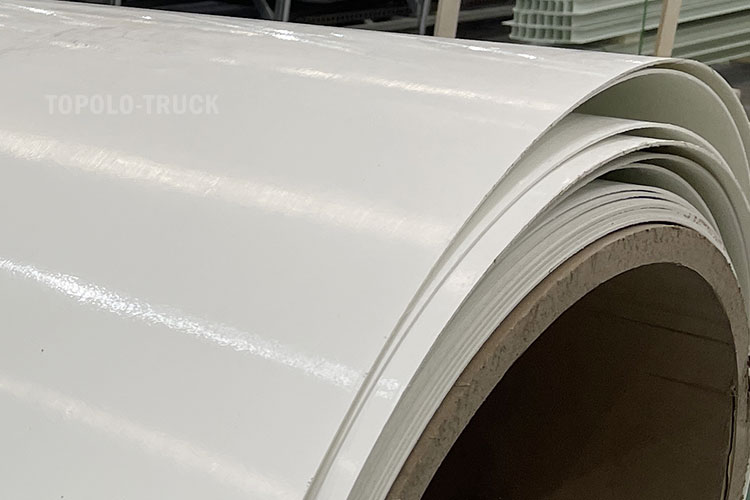
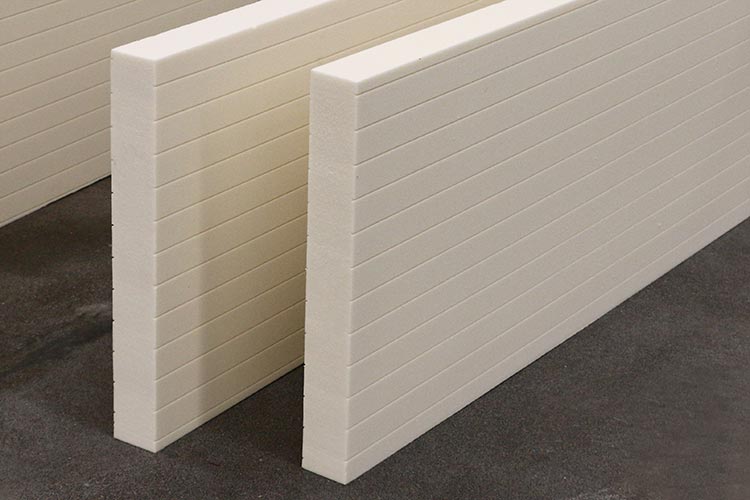
Secondly, we need to understand the components of the refrigerated box panel. The outer skin is typically made of FRP (Fiber-Reinforced Plastic) or aluminum sheets, while the core is composed of thermal insulation foam—mostly polyurethane or extruded polystyrene. Medium and large-sized boxes often include an embedded frame to enhance structural strength . This “skin-core-frame” structure must balance insulation, rigidity, and impact resistance to withstand transportation stresses.
Vulnerable Areas of Refrigerated Boxes
Transportation accidents are the primary cause of refrigerated box damage, with common scenarios including rear-end collisions, scratches, side impacts, and rollovers (head-on collisions are relatively rare) . Consequently, the most vulnerable parts are the side walls and rear doors, as these bear the brunt of impacts. Severe, widespread damage to the entire box only occurs under high-intensity, large-scale collisions.
Core Reasons for Fragility
The durability of a refrigerator depends on the proper use of panel materials and structural design. The following two key factors can lead to frequent breakage:
01 Substandard Panel Materials
- Poor Outer Skin Quality
The outer skin (FRP or aluminum sheet) is the first line of defense. For FRP sheets, insufficient glass fiber content or poor resin quality reduces its tensile strength and impact resistance. For example, FRP sheets with less than 40% fiber content are prone to cracking under minor impacts. Thin aluminum sheets (less than 1.2 mm) also lack sufficient rigidity.
- Insufficient Insulation Foam
Foam core material has a dual function—insulation and impact cushioning. Standard thickness ranges from 100 mm (fresh food) to 200 mm (frozen food). Thin foam (less than 80 mm) not only affects insulation performance but also fails to absorb impact energy, directly transferring stress to the outer shell.
- Unreliable Frame Materials
To reduce costs, wooden embedded frames are often used. While wood may initially meet strength requirements, it rots over time due to moisture absorption, losing its structural support.
- Insufficient Metal Profiles
Using aluminum or galvanized steel instead of stainless steel in load-bearing components (such as hinges and corner posts) leads to premature corrosion and reduced structural strength, especially in humid or corrosive environments.
02 Poor Design
- Lack or Inadequate Embedded Frames
To reduce costs, some manufacturers omit or minimize embedded frames, which are crucial for stress distribution. Without sufficient reinforcement, panels are prone to warping and cracking under vibration or impact.
- Poor Waterproofing
Failure to treat panel joints with waterproofing materials allows moisture to seep into the core material over time. This causes foam aging, frame corrosion, and ultimately, makes the entire panel brittle.
- Poor Connection Design
Insufficient hinge strength, loose fasteners, or poorly sealed joints not only lead to air leakage but also reduce structural integrity.
Solutions for Enhanced Durability
To improve the robustness of refrigerated boxes, three key measures are essential:
01 Adhere to material standards
Use FRP sheets with glass fiber content ≥45% and thickness ≥1.5mm , polyurethane foam of specified thickness , and corrosion-resistant metal profiles (stainless steel or high-strength aluminum alloy) .
02 Optimize structural design
Incorporate sufficient embedded frames (as required by GB/T 46125-2025 ), reinforce vulnerable areas (side walls, rear doors) with additional steel plates or anti-collision bars, and implement comprehensive waterproofing for seams and joints .
In conclusion, to make refrigerated containers more robust and durable, proper design and the selection of reliable materials are crucial. Of course, every driver obeying traffic rules is the most important way to avoid accidents.
Learn more about our Refrigerated Truck Body design solutions for more durable boxes.