


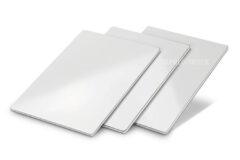
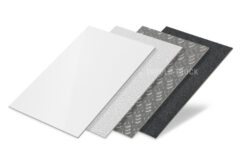
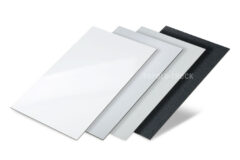
PET Foam Sandwich Panels for Trailer & Truck Bodies
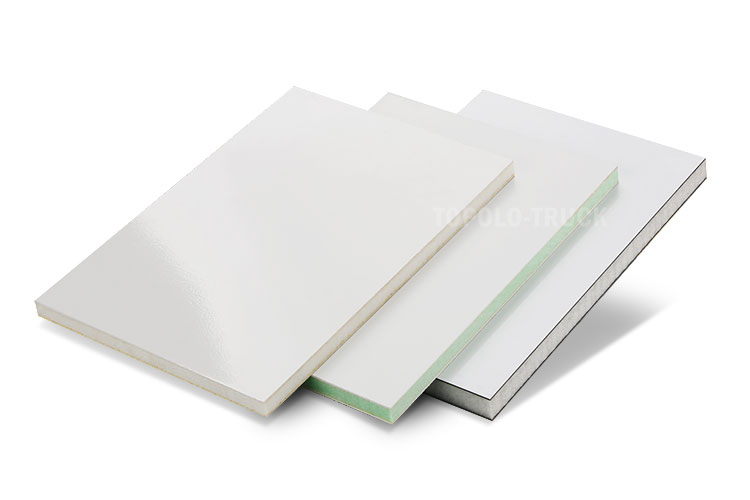
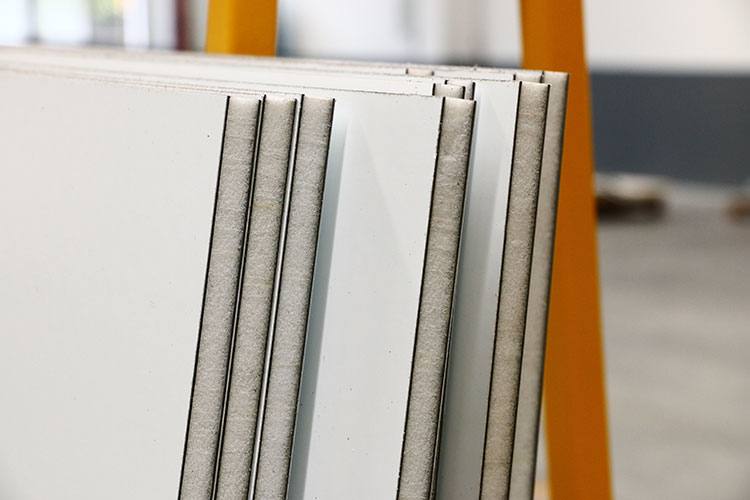
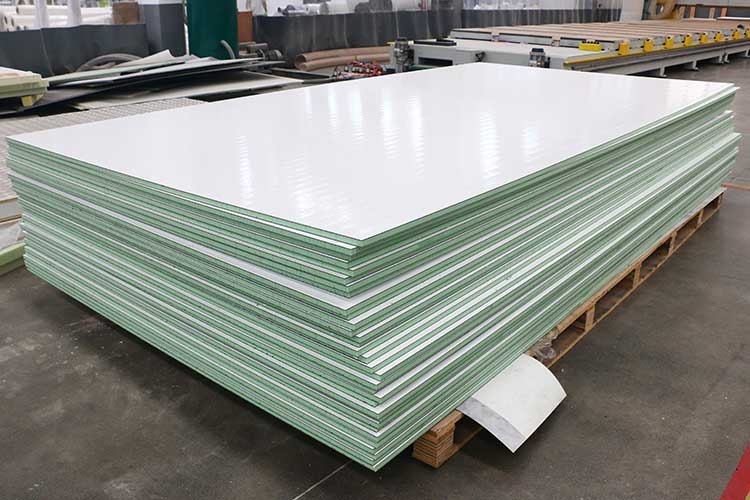
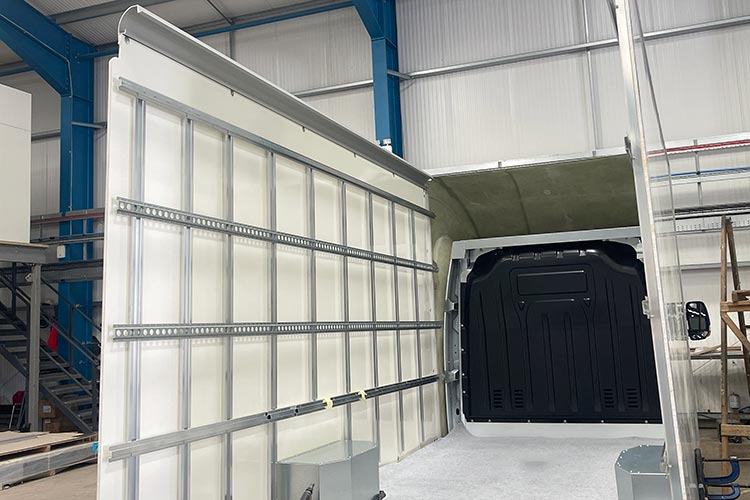
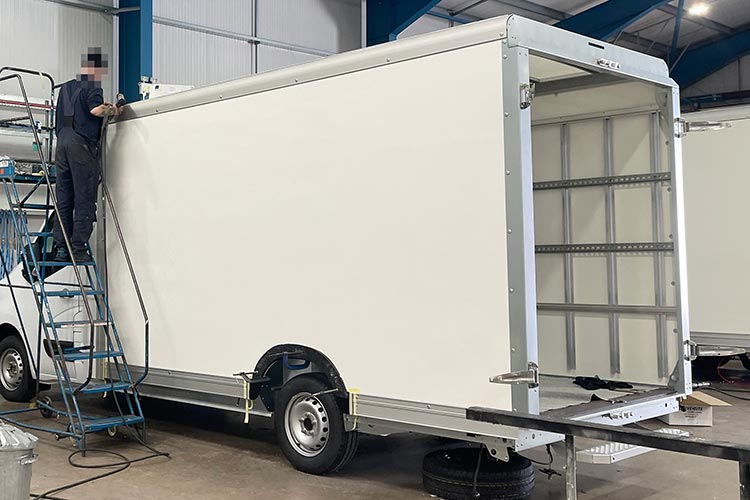
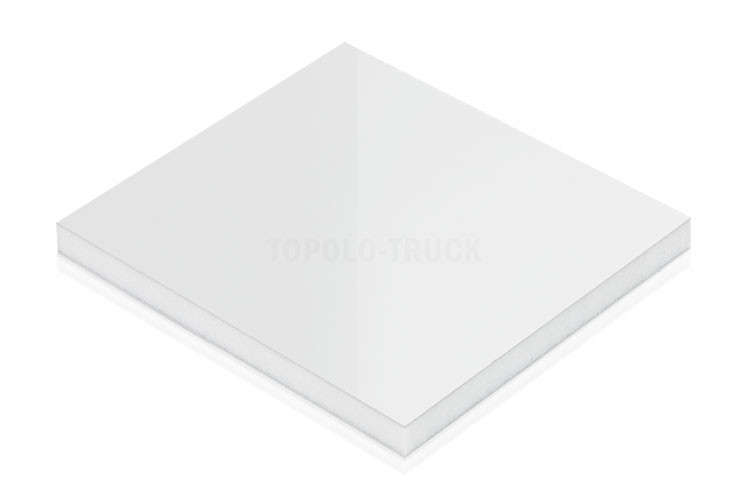
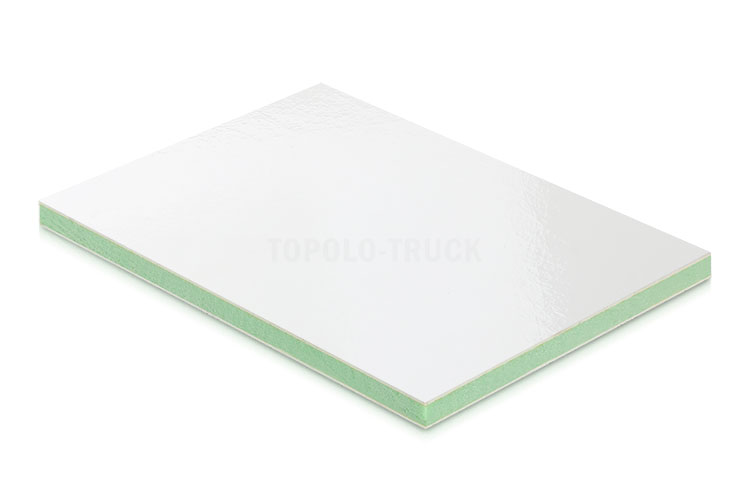
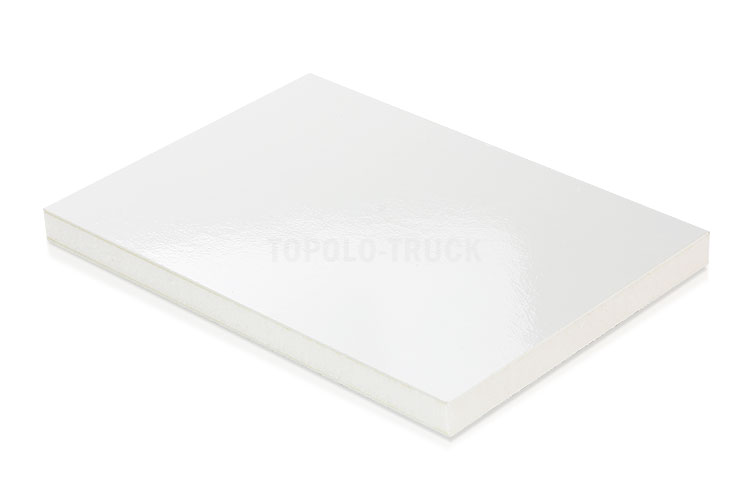
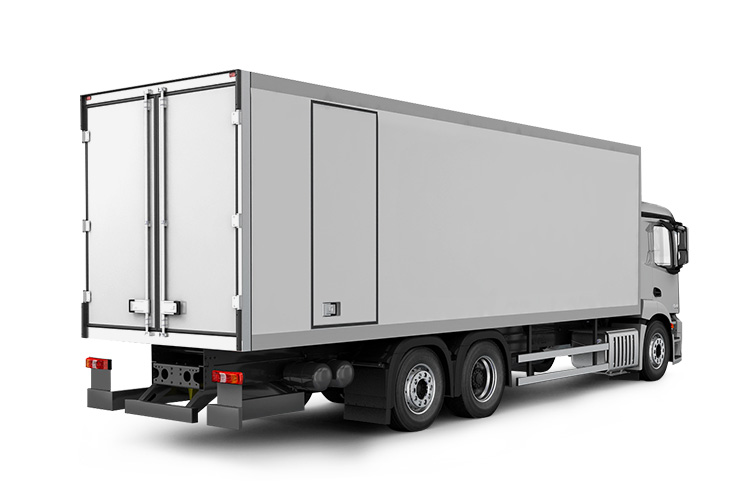
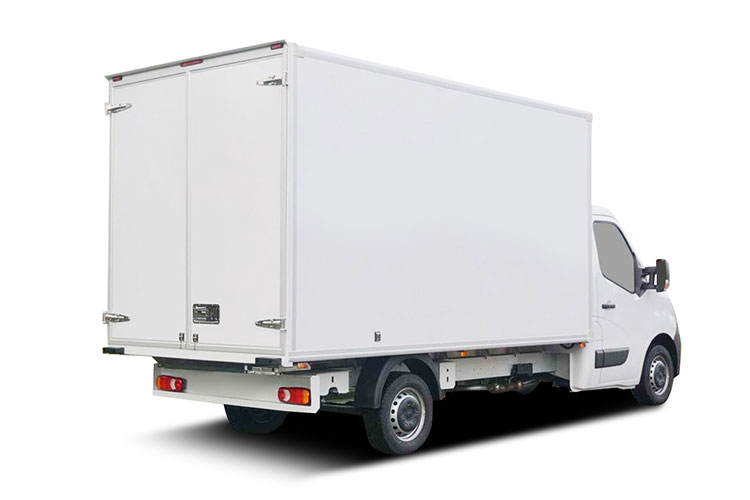
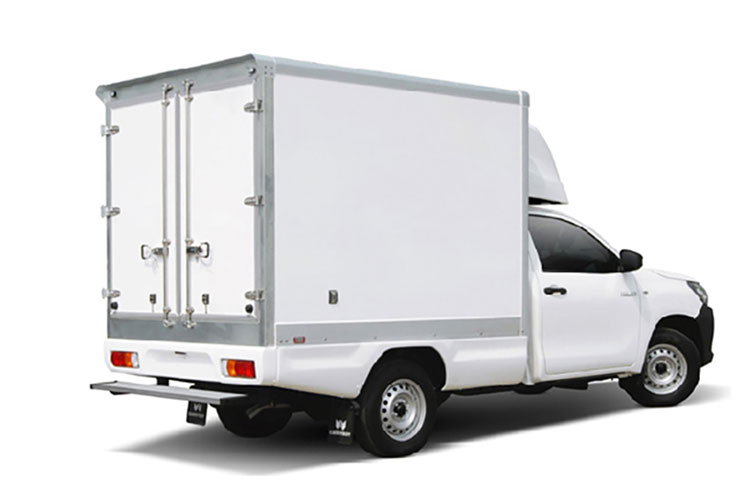
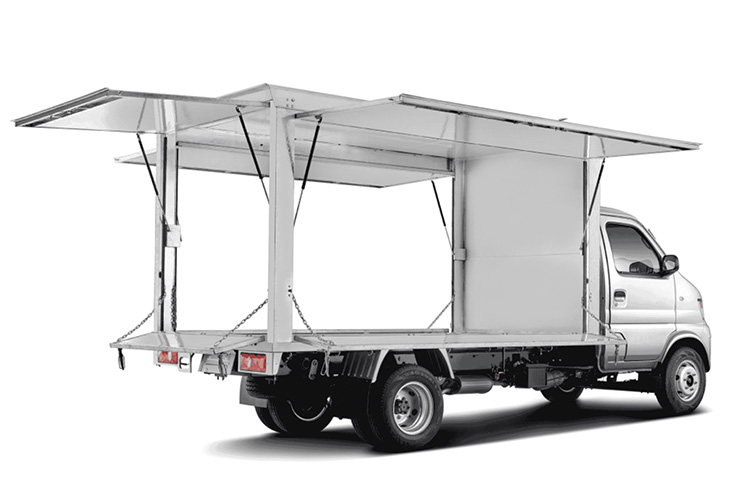
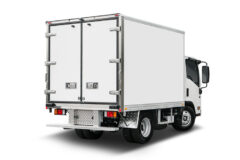
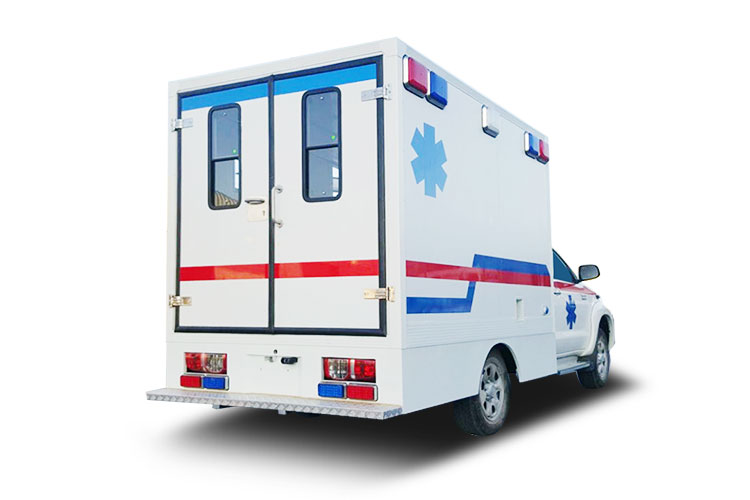
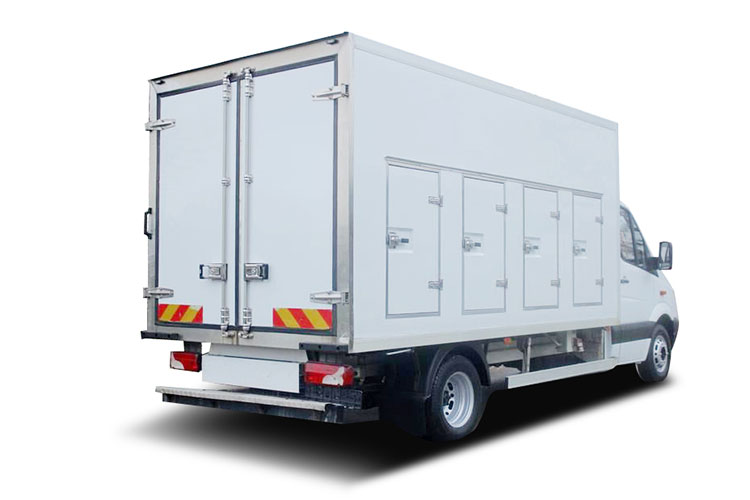
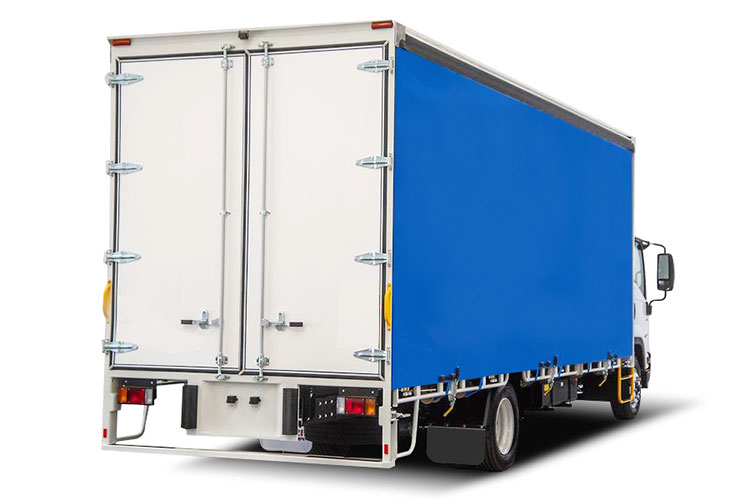
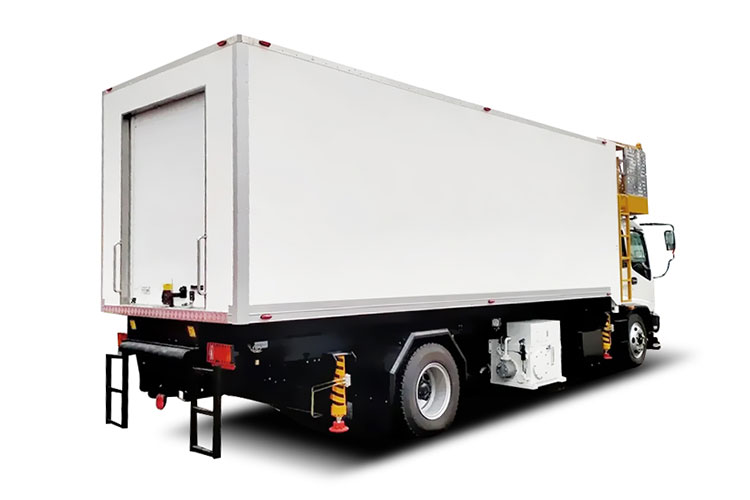
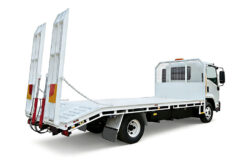
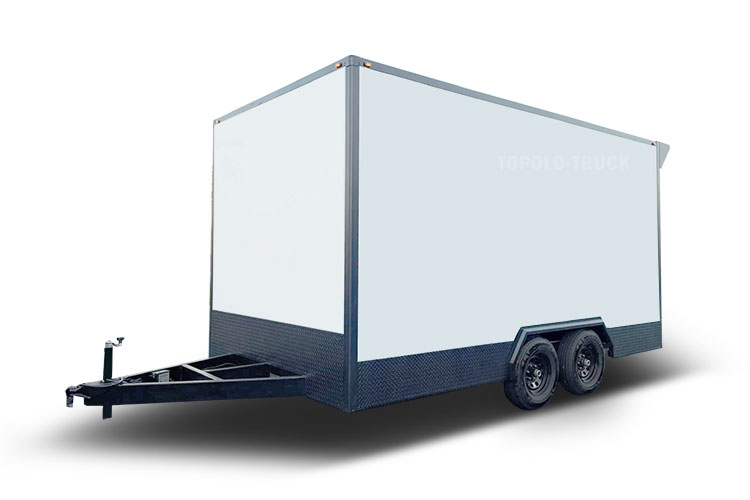
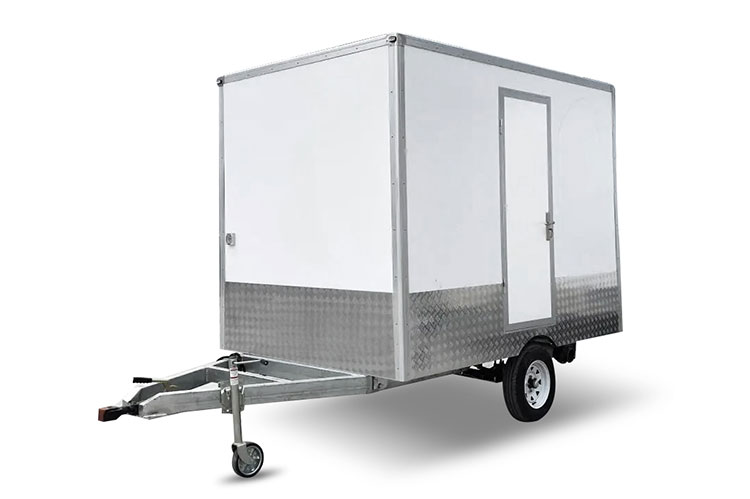
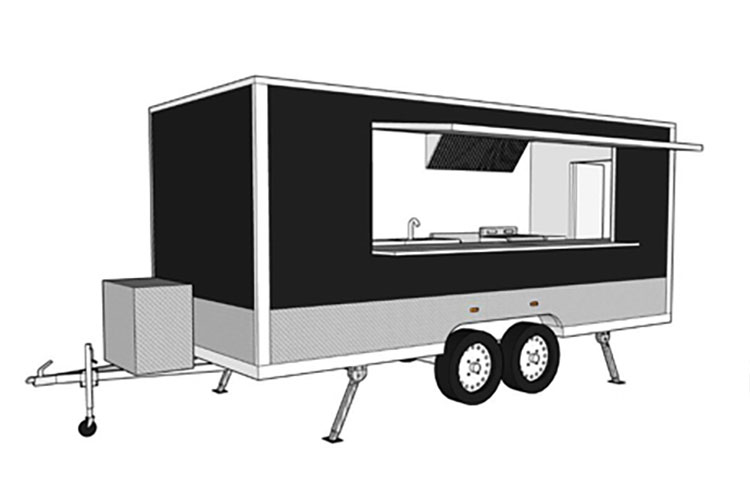
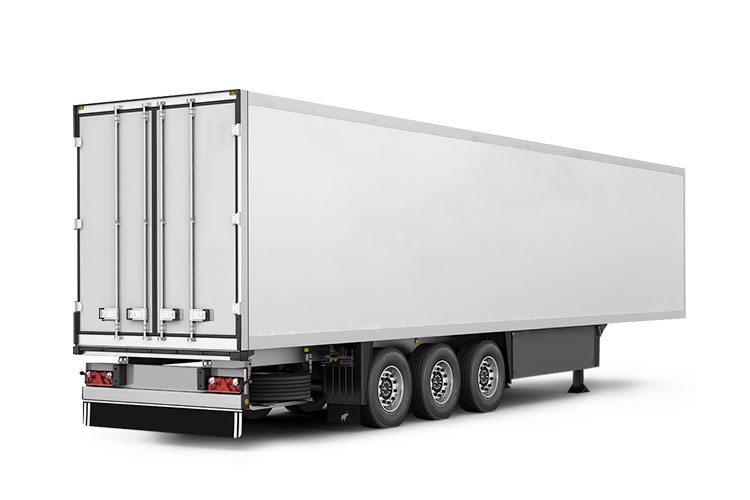
PET foam core sandwich panels are an innovative composite material used primarily for truck and trailer bodies seeking lightweight design. Compared to traditional metal panels, truck and trailer bodies made with PET foam core sandwich panels are lighter, more impact-resistant, and have a longer service life, making them an ideal choice for logistics and long-distance transportation. The lightweight nature of PET foam core sandwich panels not only helps reduce fuel consumption and operational costs but also increases the cargo capacity of the vehicle.
PET Foam – A Recyclable and Eco-friendly Material
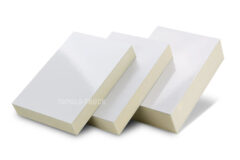
PET foam board is a high-performance, closed-cell rigid foam known for its exceptional strength-to-weight ratio. It is virtually non-absorbent, making it ideal for a wide range of applications, from construction to transportation. The material’s strength increases with density, providing enhanced durability and stability, while still maintaining its lightweight nature.
One of the standout features of PET foam is its environmental sustainability. As a recyclable material, PET foam contributes to the reduction of waste, aligning with the principles of circular economy and sustainable development. This makes it a responsible choice for industries seeking eco-friendly solutions without compromising on performance. Whether used in composite panels, insulation, or other applications, PET foam supports a greener future by reducing the environmental impact of manufacturing and disposal.
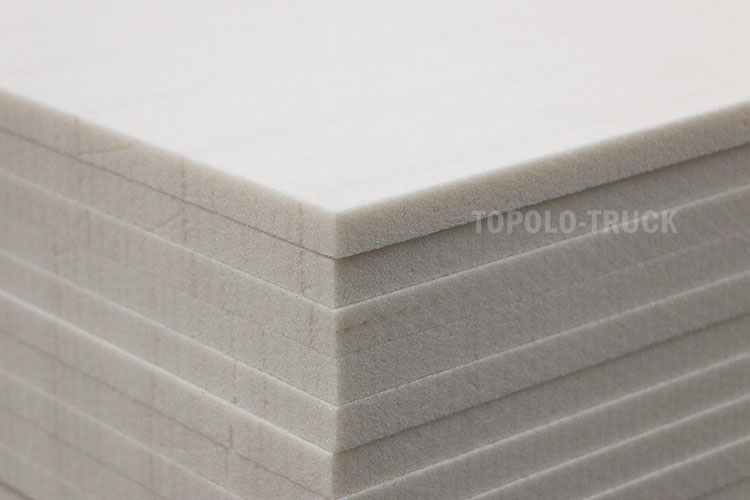
Virgin PET foam
Made from virgin PET resin, it boasts higher strength, uniformity, and consistency, making it suitable for applications with extremely high performance requirements.
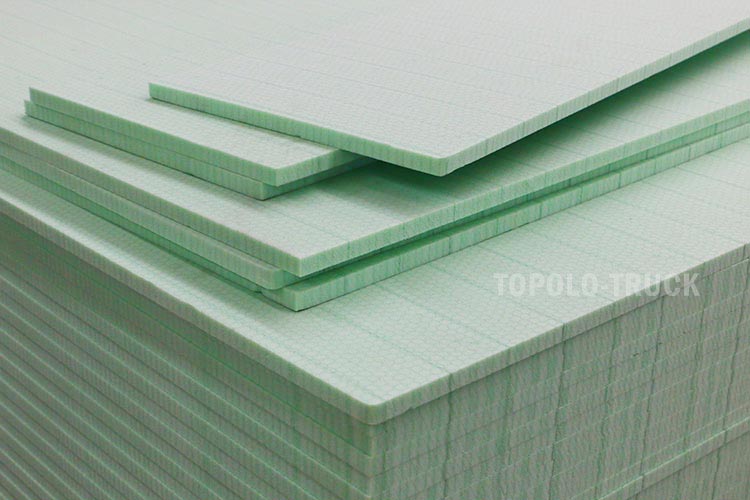
Recycled PET foam
Recycled PET foam utilizes waste PET materials, regenerating them through a recycling process. It offers lower costs and a smaller environmental footprint, making it suitable for fields with lower strength requirements and a focus on environmental protection and sustainability.
Specification of PET Foam Sandwich Panels
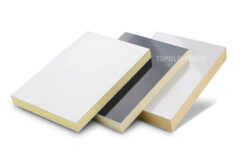
| Composition | Skin | FRP/GRP: Glass fiber reinforced plastics. |
| CFRT: Continuous fiber reinforced thermoplastic . | ||
| Aluminum Alloy. | ||
| Coated Steel. (GI, GL, PPGI, PPGL) | ||
| PET Foam Core | Thermal Conductivity: 0.030-0.045 W/(m·K). | |
| Water Absorption: <0.5%. | ||
| Flame Retardant Grade: B1-B2. | ||
| Operating Temperature Range: -50°C to +120°C. | ||
| Density: 60-300kg/m³. | ||
| Compression Strength: 0.85-5.20MPa. | ||
| Compression Modulus: 73-235MPa. | ||
| Tensile Strength: 1.40-4.0MPa. | ||
| Tensile Modulus: 90-275MPa. | ||
| Shear Strength: 0.55-2.05MPa. | ||
| Shear modulus:13.5-70.0MPa. | ||
| Panel width | ≤3.2m. | |
| Panel length | ≤12m. | |
| Panel thickness | 10~150mm. | |
| Composite methods | Adhesive bonding.(Unsaturated polyester adhesive, polyurethane adhesive, etc) | |
| Thermoplastic lamination. | ||
Structure of PET Foam Core Sandwich Panels
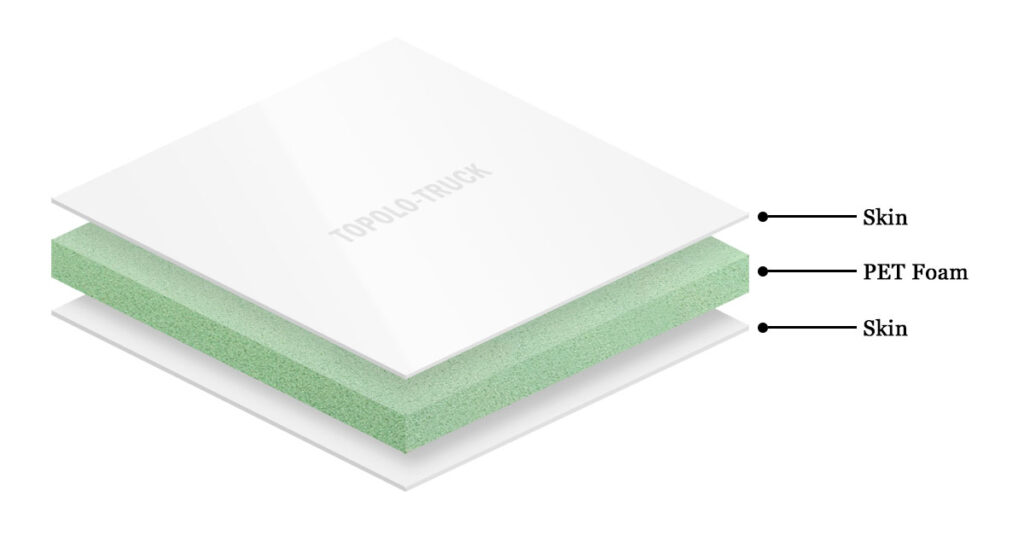
Standard Structure
The typical skin-core-skin sandwich structure is simple in structure, easy to process, and suitable for most dry cargo vehicle bodies.
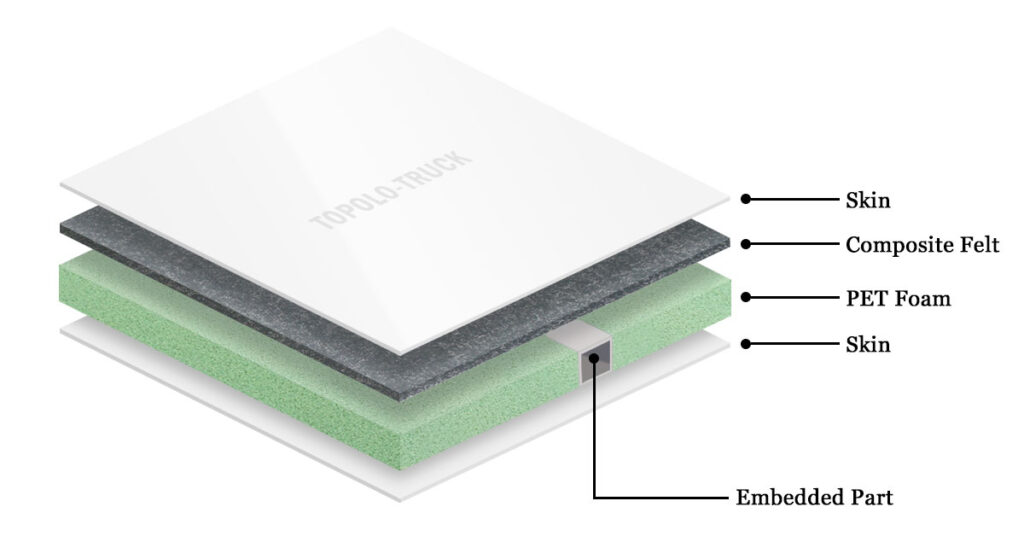
Reinforced Structure
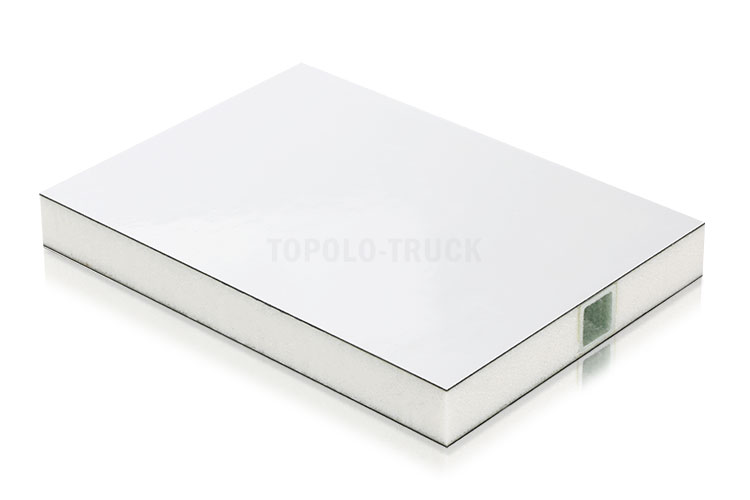
Structural strength is improved by adding energy-absorbing felt layers and internal embedded parts. Suitable for vehicle bodies requiring high structural strength.
Skin Materials
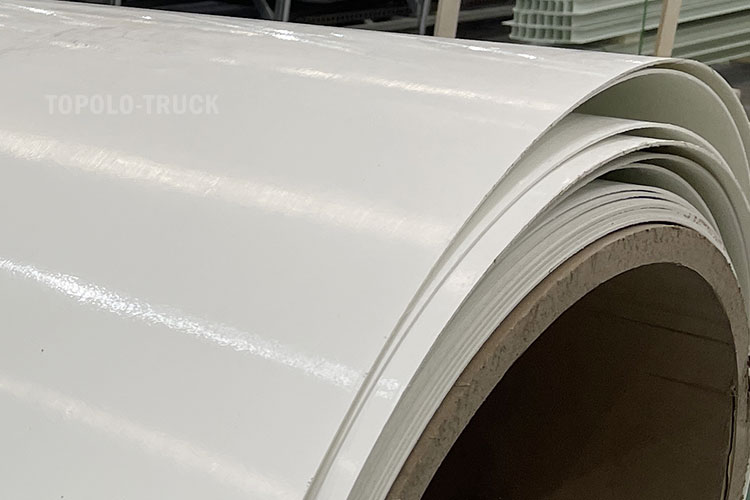
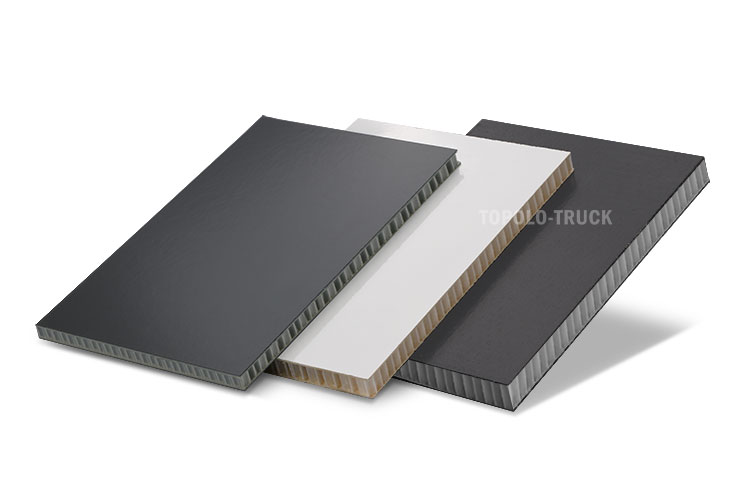
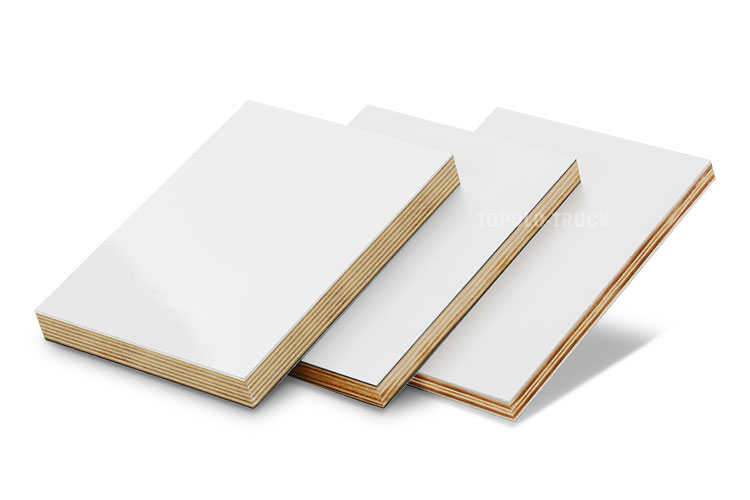
FRP/GRP Sheets
FRP sheets are an ideal material for truck and trailer bodies due to their lightweight, high strength, corrosion resistance, good thermal insulation, and weather resistance, making them widely used in various transportation vehicles such as refrigerated trucks and dry cargo trucks. They not only effectively reduce vehicle weight and improve transportation efficiency, but also possess UV resistance, impact resistance, and low maintenance costs, ensuring long-term vehicle stability in harsh environments. Furthermore, the excellent mechanical properties and aesthetically pleasing design of FRP sheets make them an essential component of various commercial vehicles.
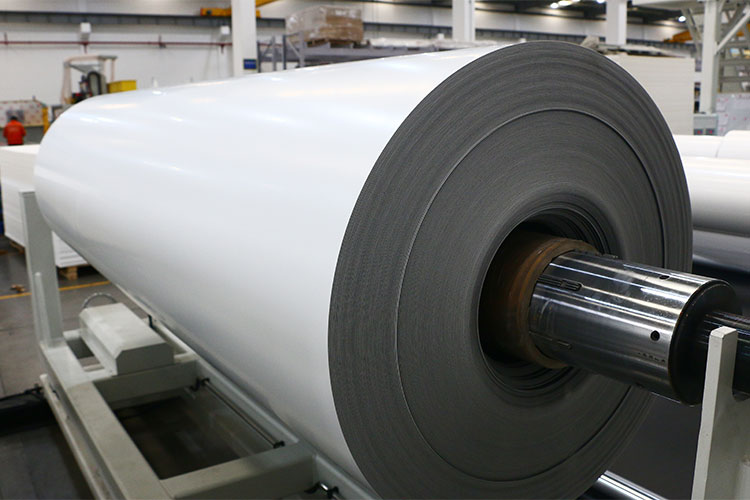
CFRT Sheets
CFRT sheets, as a new type of thermoplastic FRP material, offer highly reliable vehicle body solutions thanks to their advantages such as high strength, lightweight, high temperature resistance, impact resistance, and corrosion resistance. Whether for refrigerated trucks, dry cargo trucks, or special-purpose vehicles, CFRT sheets can improve vehicle safety, durability, and transportation efficiency, while reducing maintenance costs and extending vehicle lifespan.
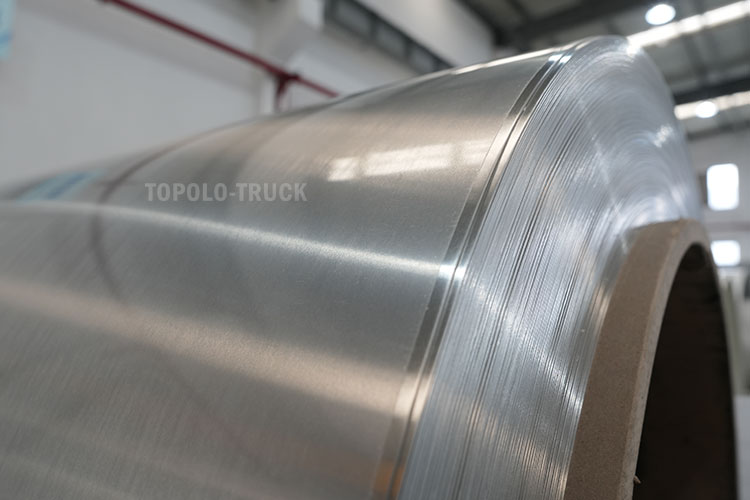
Aluminum Alloy Sheets
Using aluminum alloy sheets for truck and trailer bodies provides numerous advantages, including a lightweight structure, high strength-to-weight ratio, corrosion resistance, and low maintenance. These benefits lead to improved fuel efficiency, increased payload capacity, and lower operational costs. Additionally, aluminum’s recyclability and ability to withstand extreme conditions make it an environmentally friendly and durable option for commercial vehicle manufacturers.
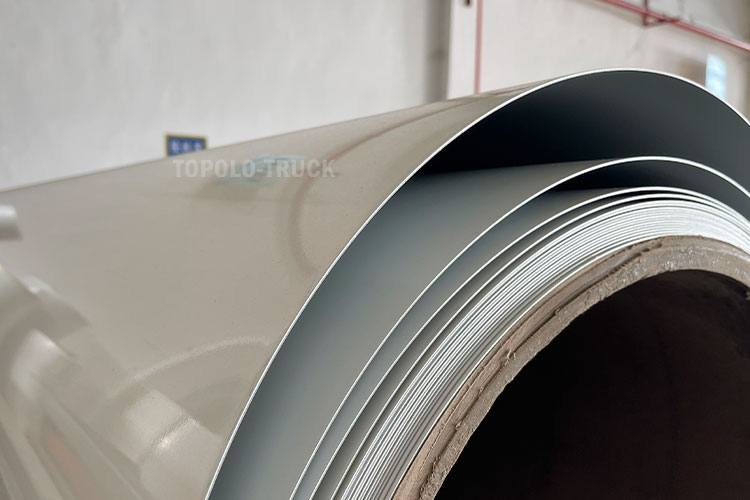
Coated Steel Sheets
Coated steel sheets offer a highly durable, cost-effective, and versatile body solution. They combine high strength, corrosion resistance, and aesthetic appeal, while providing long-term protection against environmental and mechanical stresses.
Our Customized Solutions
TOPOLO-TRUCK’s customized composite panel solutions help your vehicle projects achieve more efficient, safe, and flexible local production, enhancing overall operational efficiency. Customize prefabricated composite panel kits for your vehicle projects to enable localized, fast assembly.
Optimized Panel Structure
Depending on the specific needs of the vehicle, we use various composite materials to provide higher strength, durability, and lightweight designs. Whether it’s FRP, aluminum alloy, or other composite materials, we tailor the panels to ensure maximum performance and reliability.
High-Precision CNC Processing
Utilizing high-precision CNC machining, we ensure that every panel meets strict size and tolerance requirements.
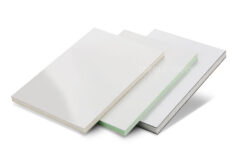
Obtain PET Foam Sandwich Panel Samples
We offer customized PET foam sandwich panel samples based on your provided materials or specific requirements for testing purposes.