
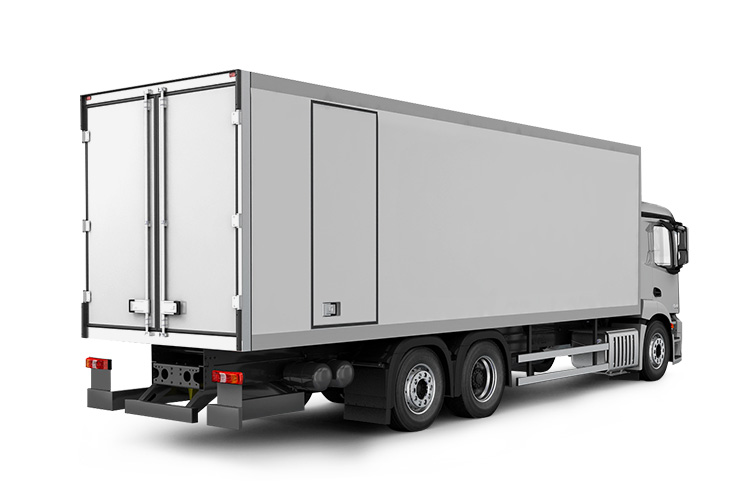
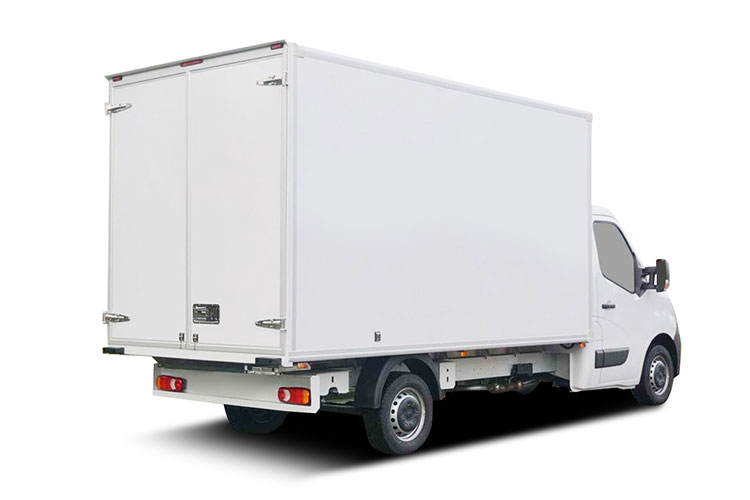
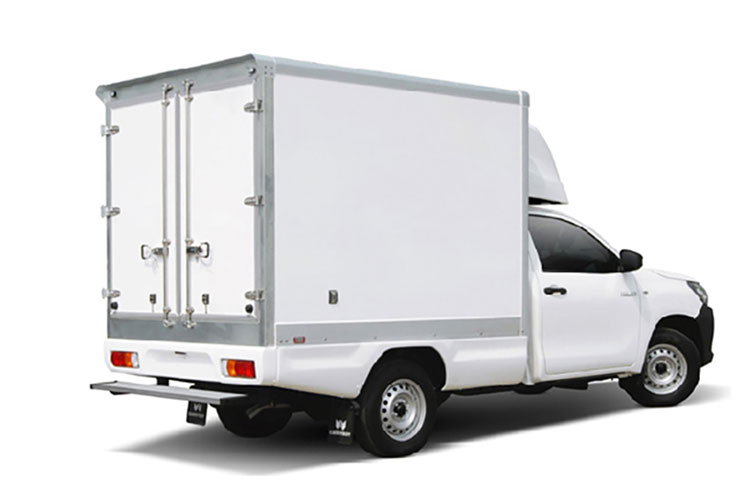
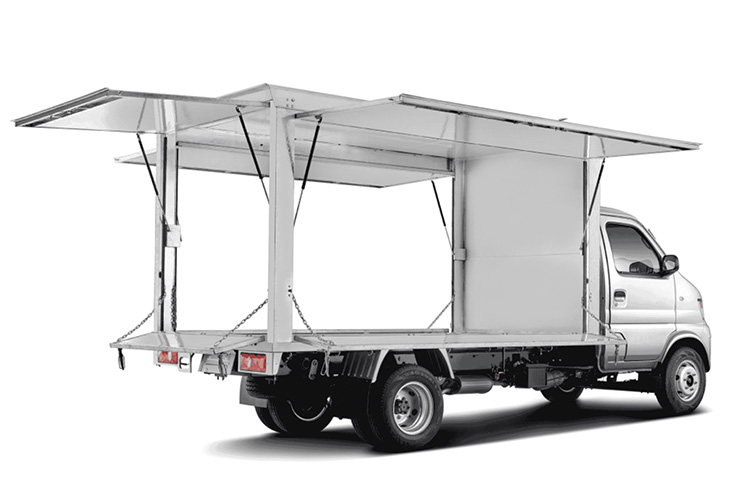



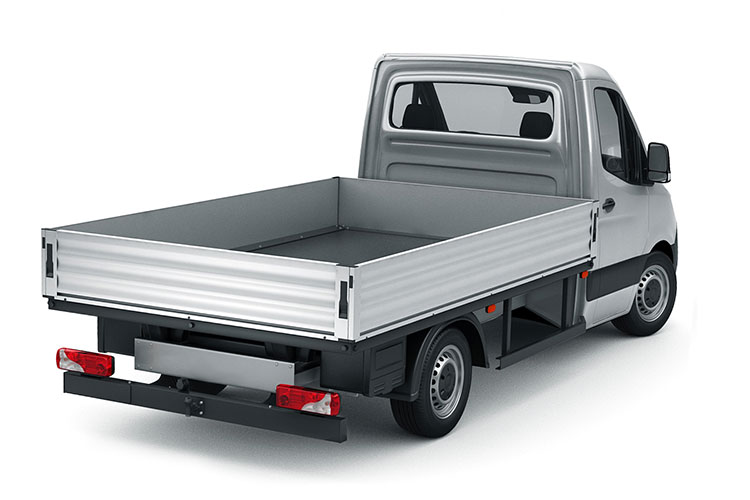
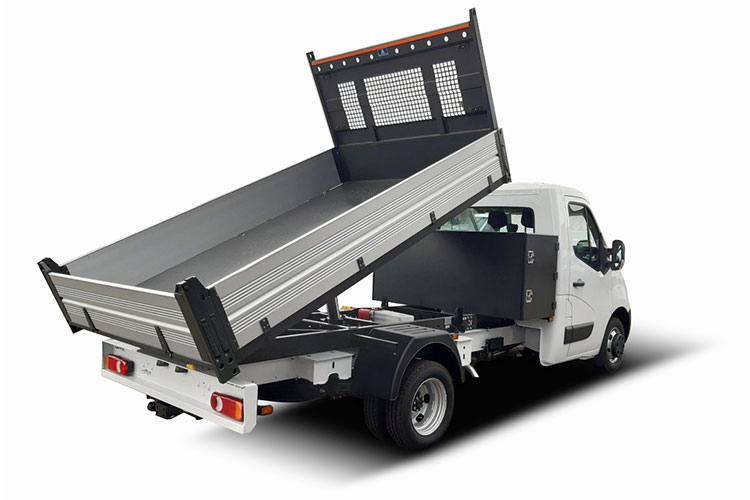

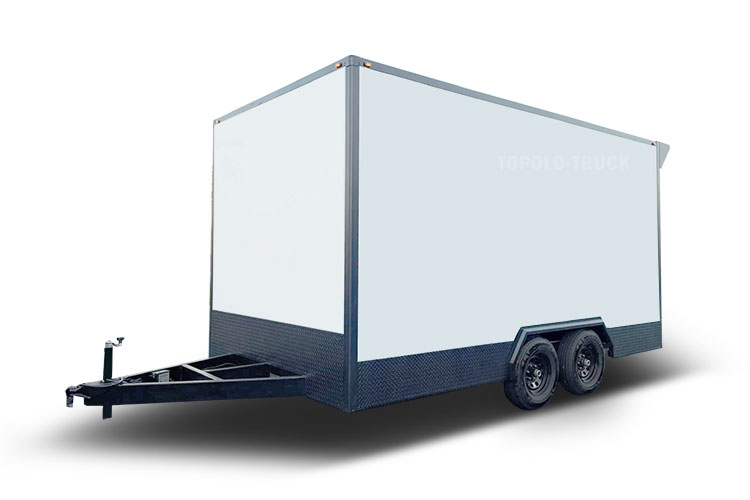



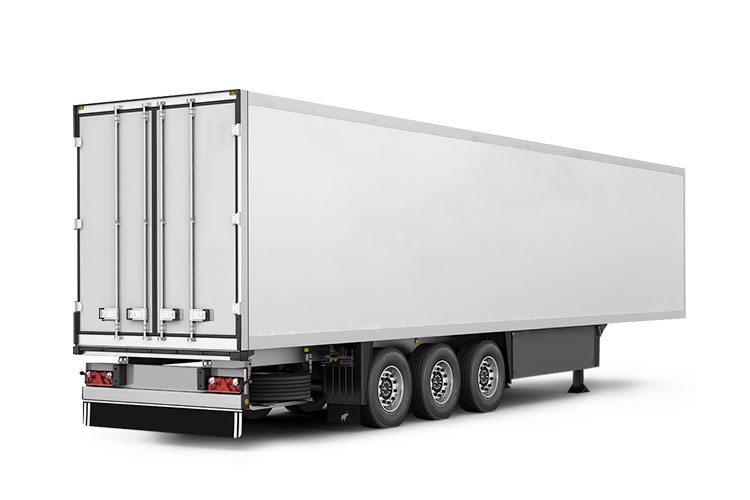
MPP Foam Sandwich Panels for Trailer & Truck Bodies
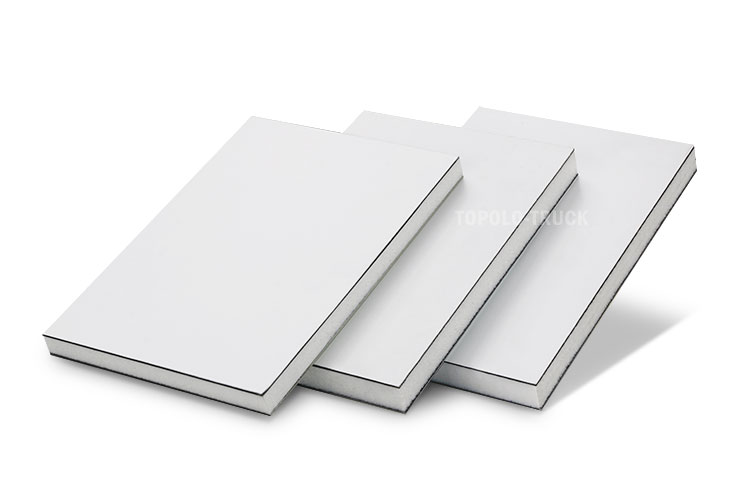
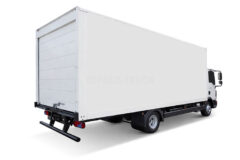
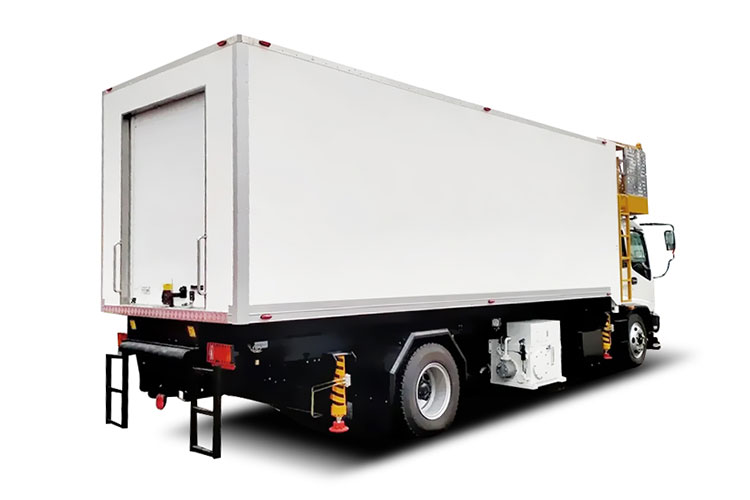
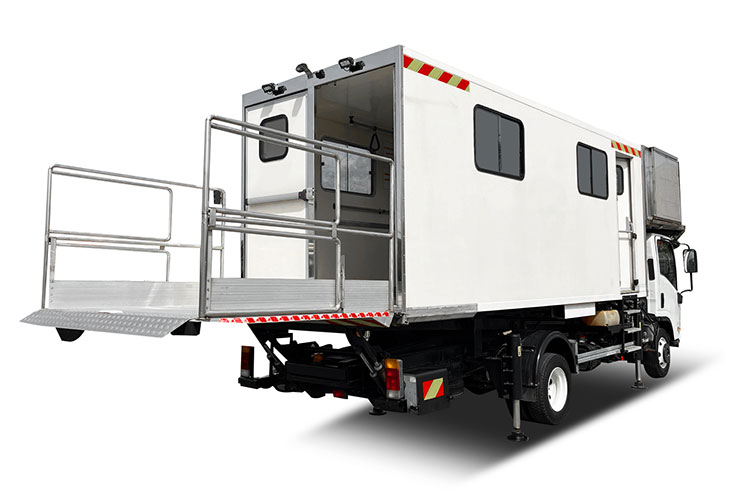
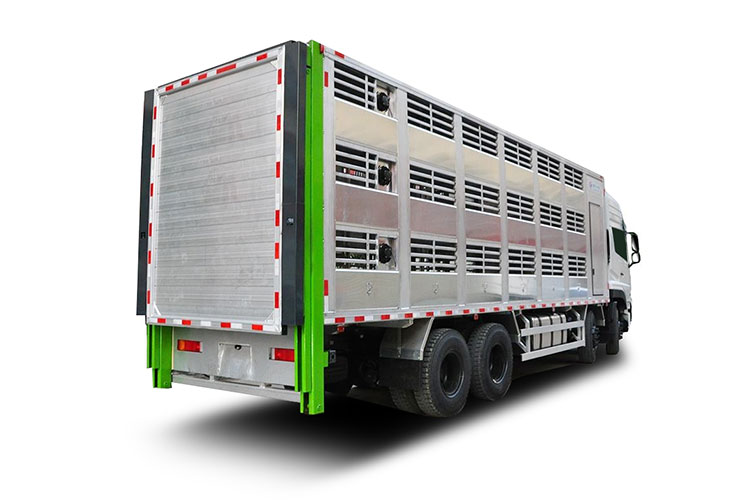
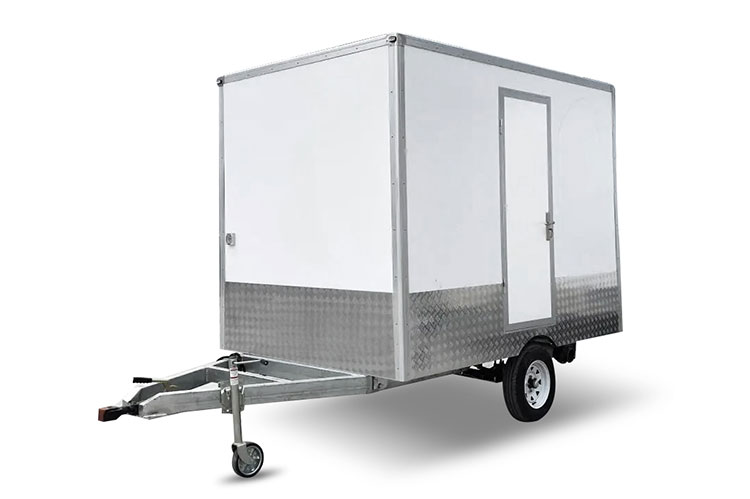
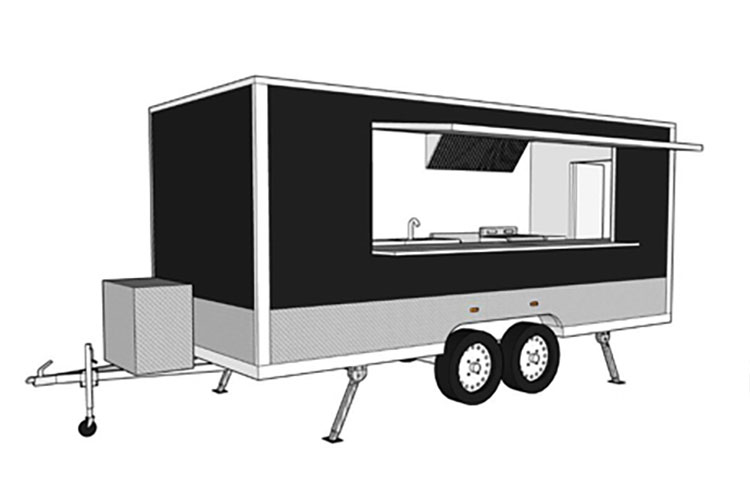
Fiberglass reinforced MPP foam sandwich panels, as a new composite material, offer numerous advantages in terms of being lightweight, high strength, thermally insulating, and recyclable. These features make them a perfect choice for truck and trailer body designs. With the advancement of technology and the increasing focus on environmental protection, these panels are expected to become one of the mainstream materials in future box-type vehicle body designs, promoting vehicles toward more efficient, eco-friendly, and sustainable development.
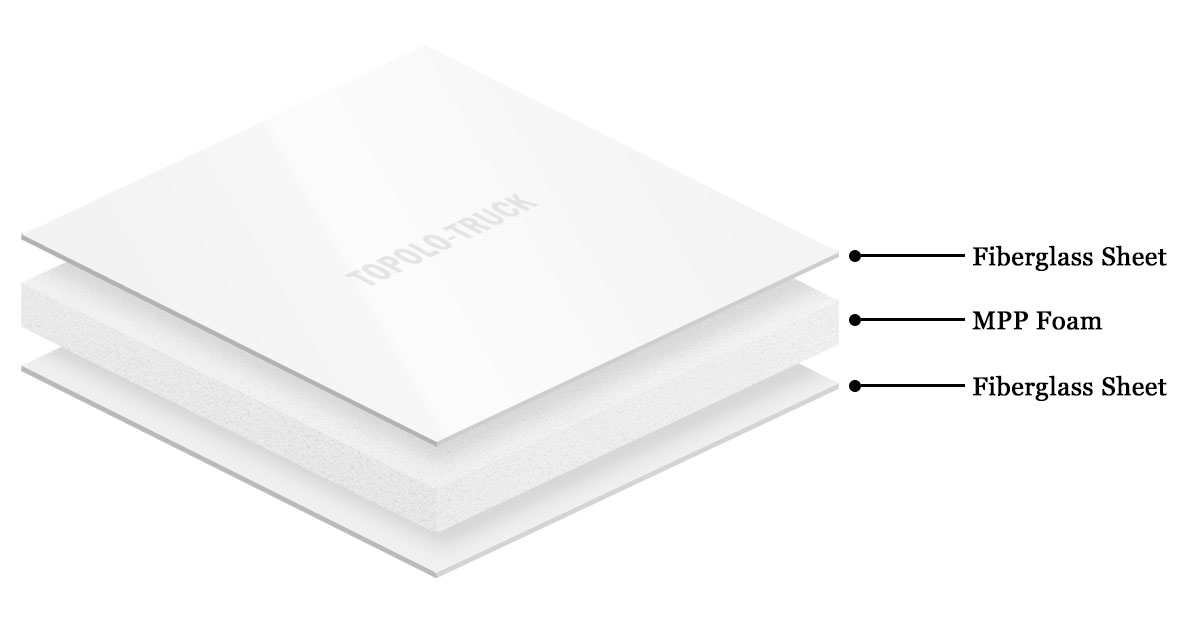
Structure
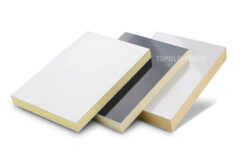
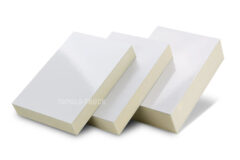
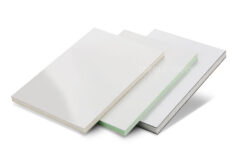
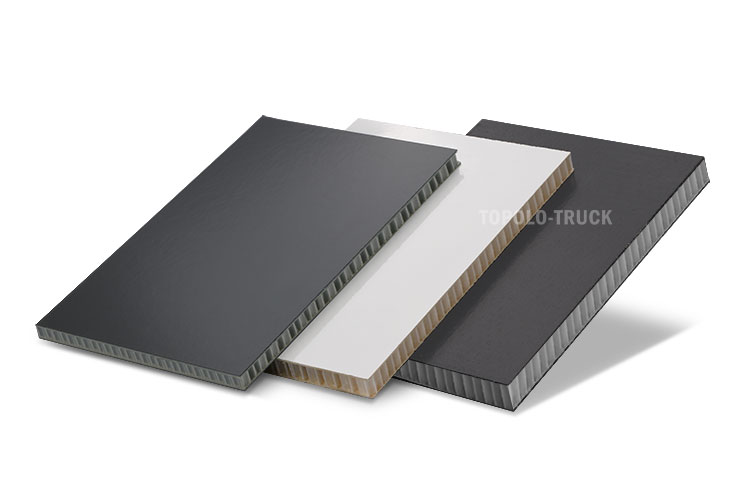
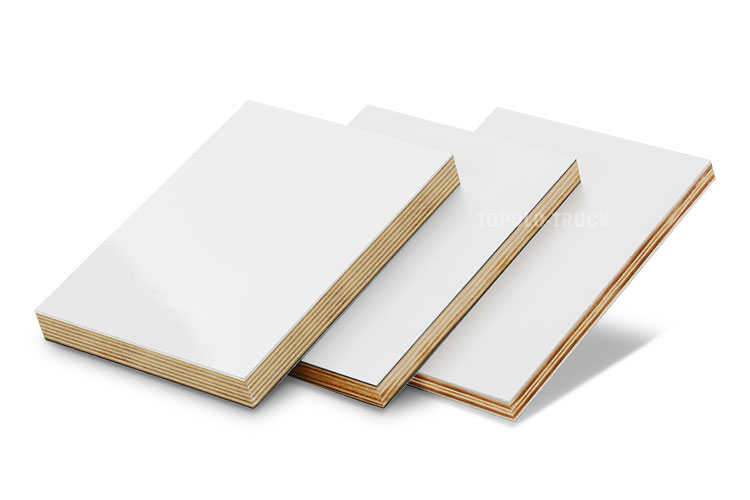
This composite panel combines a lightweight continuous fiber-reinforced polypropylene (PP) skin with closed-cell MPP foam. Both MPP and CFRT are thermoplastic materials, and the thermal lamination process allows them to bond tightly together, avoiding the delamination issues that can occur with traditional adhesive lamination.
Product Features
☑ Lightweight: Low density significantly reduces vehicle weight, improving fuel efficiency and range.
☑ High Strength/Rigidity: The glass fiber layer provides excellent tensile and flexural properties, ensuring overall structural stability.
☑ Excellent Impact Resistance: The MPP foam core offers excellent cushioning and energy absorption.
☑ Waterproof and Corrosion-Resistant: The fully thermoplastic material system is non-absorbent and rust-resistant.
☑ Easy-Clean and Thermoformable: The surface can be selected from glossy, matte, or gelcoat finishes depending on the intended use.
☑ Recyclable and Environmentally Friendly: The all-thermoplastic construction meets vehicle lightweighting and sustainable development requirements.
Specifications of MPP Foam Sandwich Panels
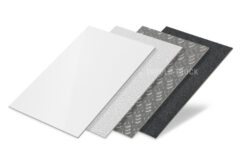
| Composition | Skin | FRP/GRP: Glass fiber reinforced plastics. |
| CFRT: Continuous fiber reinforced thermoplastic . | ||
| Aluminum alloy. | ||
| Coated Steel. (GI, GL, PPGI, PPGL) | ||
| MPP Foam Core | Foaming Ratio: 10-25. | |
| Thermal Conductivity (w/mk): 0.037-0.041. | ||
| Density (kg/m³): 36-90. | ||
| Hardness (°): 62-82. | ||
| Compression Strength (MPa): 0.36-1.51. | ||
| Tensile Strength (MPa): 1.89-3.91. | ||
| Operating temperature: -40℃ to +120℃. | ||
| Panel width | ≤ 2.8m. | |
| Panel length | ≤ 12m. | |
| Panel thickness | 10 – 50mm. | |
| Composite methods | Thermoplastic lamination. | |
What is MPP Foam?
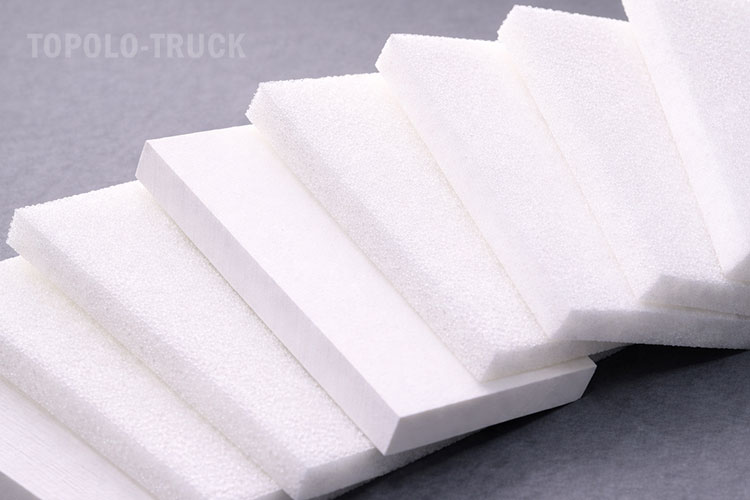
Microcellular polypropylene foam (MPP) is a high-performance porous foam material characterized by its ultrafine pore structure. Its pore size is typically less than 100 microns (strictly defined as less than 10 microns), with a pore density exceeding 10⁹ cells per cubic centimeter. Compared to traditional foam materials, MPP foam offers a unique balance of mechanical properties: traditional structural foams are typically rigid and brittle, while soft foams are typically flexible and brittle. In contrast, microcellular polypropylene foam (MPP) combines both rigidity and toughness, achieving an ideal balance between lightweighting, energy absorption, and mechanical strength, thus filling the performance gap between existing foam materials.
Novel Composite Skin – Thermoplastic Fiberglass Sheets (CFRT Sheets)
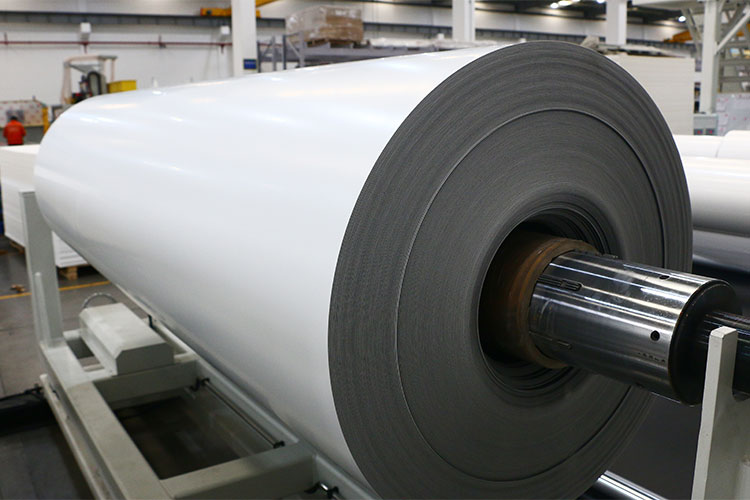
CFRT sheets, as a new type of thermoplastic FRP material, offer highly reliable vehicle body solutions thanks to their advantages such as high strength, lightweight, high temperature resistance, impact resistance, and corrosion resistance. Whether for refrigerated trucks, dry cargo trucks, or special-purpose vehicles, CFRT sheets can improve vehicle safety, durability, and transportation efficiency, while reducing maintenance costs and extending vehicle lifespan.