






Beavertail Truck Bodies
Home >> Truck Bodies
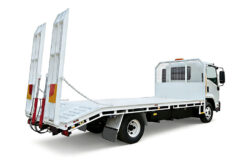
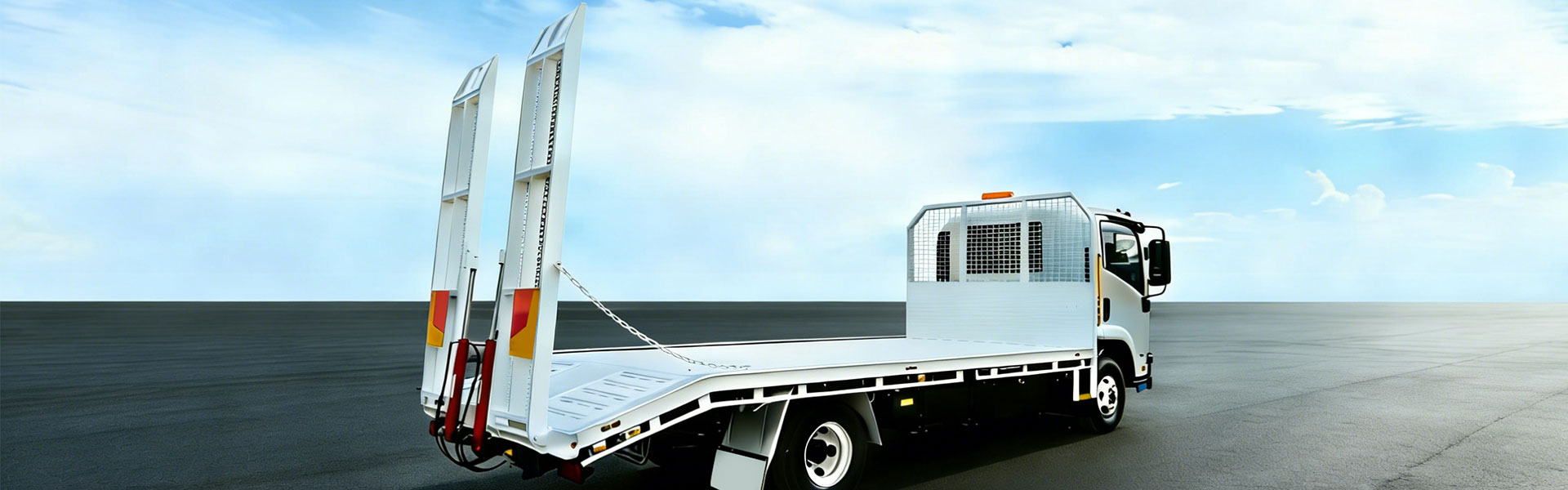
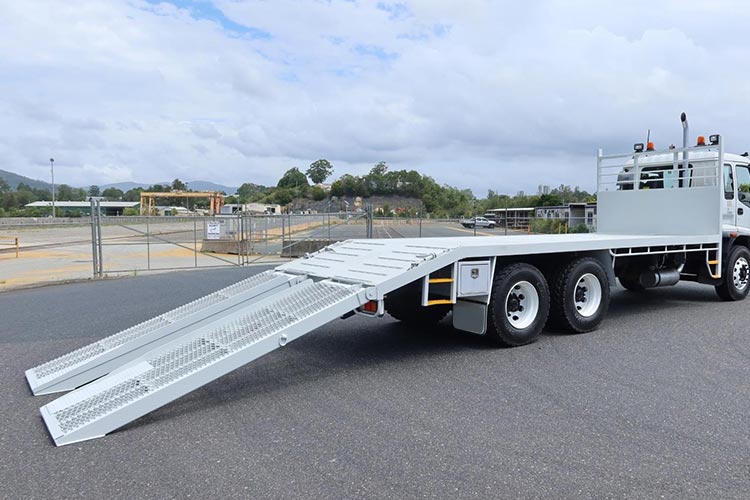
A beavertail truck (also spelled beaver tail truck and sometimes referred to as a beavertail flatbed) is a heavy-duty commercial vehicle designed for transporting wheeled or tracked machinery. Its distinctive feature is a sloped rear deck—resembling a beaver’s tail—that forms a low-angle loading ramp, typically operated by a hydraulic system for safe and efficient equipment loading and unloading.
Structural Features of the Beavertail Body
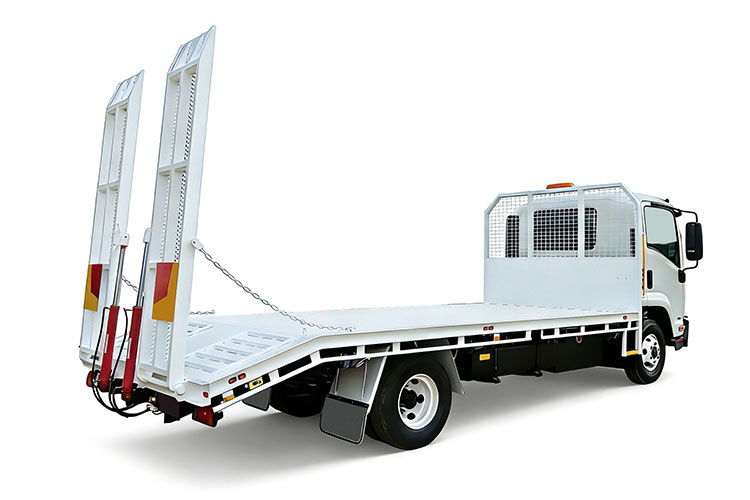
- The rear of the beavertail body is designed with a downward sloping beavertail, typically at an angle of approximately 5° to 10°, which effectively lowers the rear platform height.
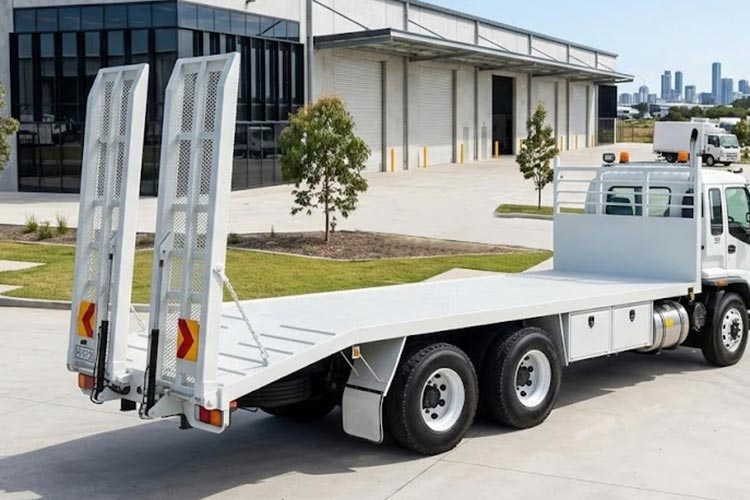
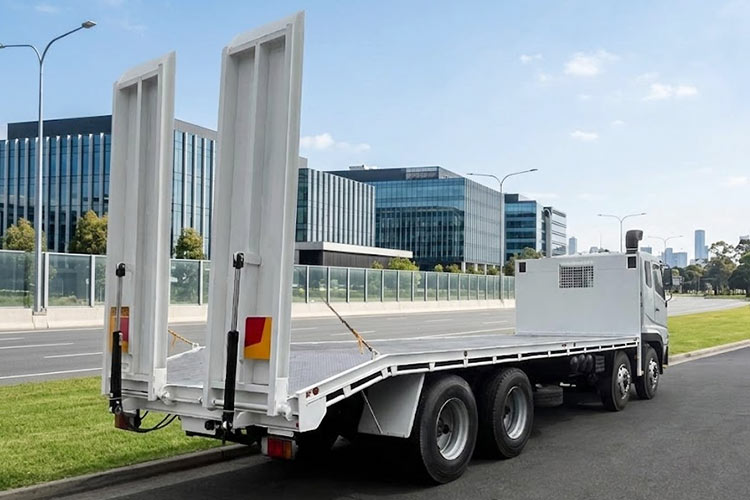
- Equipped with integrated loading ramps, enabling safe and convenient drive-on/drive-off loading and unloading of construction machinery, vehicles, and equipment.
- The special sloped structure provides a smaller approach angle at the rear, greatly reducing the risk of grounding or scraping during loading and unloading, and improving operational safety.
- This structure is mostly installed on a heavy-duty flatbed chassis, featuring high rigidity, strong load capacity, and stable performance.
More Cooperation Cases
Typical Applications
☑ Construction Machinery Transportation
Short- and long-distance transport of construction equipment such as excavators, loaders, road rollers, pavers, and forklifts. Machines can be driven directly onto the truck bed without the need for a crane.
☑ Agricultural Machinery Transportation
Transfer of agricultural equipment including tractors, harvesters, and crop protection machinery. Suitable for farms, agricultural cooperatives, and equipment rental companies.
☑ Engineering & Special Vehicle Transport
Transportation of wheeled vehicles such as light trucks, off-road vehicles, recovery trucks, sanitation vehicles, golf carts, and sightseeing vehicles.
☑ Municipal & Landscaping Operations
Rapid relocation of municipal equipment such as landscaping machinery, street sweepers, aerial work platforms, and power generators.
☑ Equipment Rental & Jobsite Relocation
Efficient delivery of multiple rental units and relocation of equipment between project sites. Offers high loading efficiency and strong operational safety.
☑ Emergency & Rescue Operations
Quick deployment of small construction machinery, generators, and pumping equipment to emergency or disaster sites. Ideal for rescue and emergency response units.
☑ Logistics & Heavy Equipment Transport
Point-to-point transport of heavy equipment and industrial units that are self-propelled but not suitable for crane lifting.
Beavertail Body Design Service
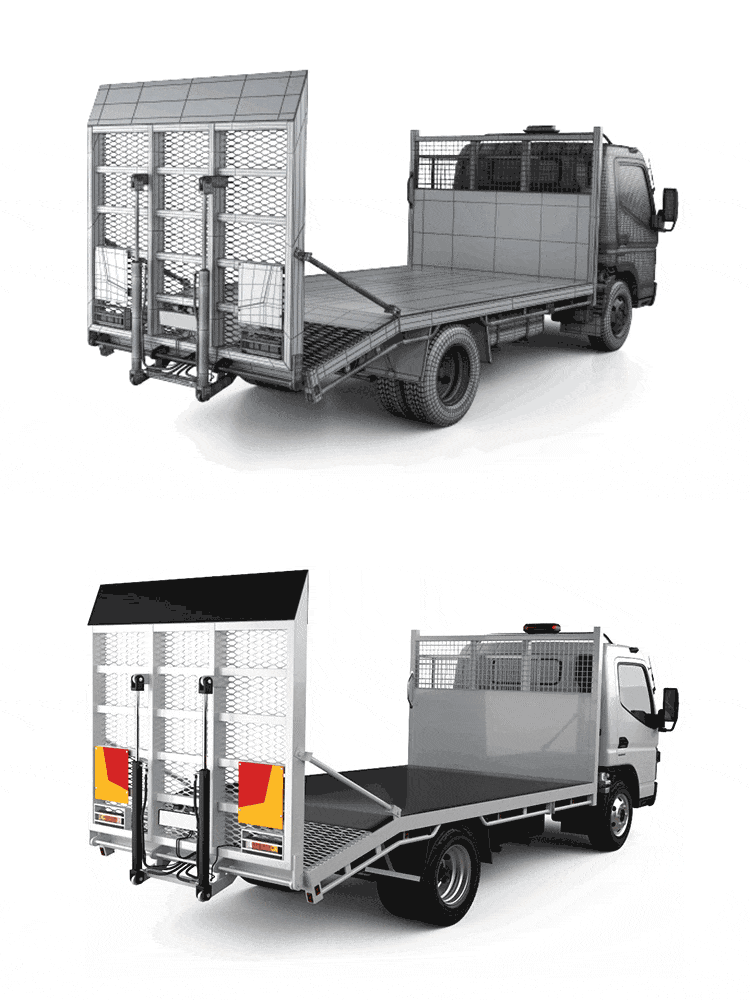
TOPOLO-TRUCK provides beavertail body design services. We offer precision engineering for both mainstream brands and non-standard chassis, covering body dimensions, load ratings, and wheelbase matching. This ensures structural compatibility and optimal weight distribution between the body and the chassis.
We utilize 3D modeling technology for detailed structural design, combined with Finite Element Analysis (FEA) to conduct simulation tests for load-bearing capacity and stability, allowing us to refine every design detail.
Our technical team collaborates with clients to review the design proposals, optimizing the structure and configuration based on professional feedback.
Beavertail Body Kit Supplier
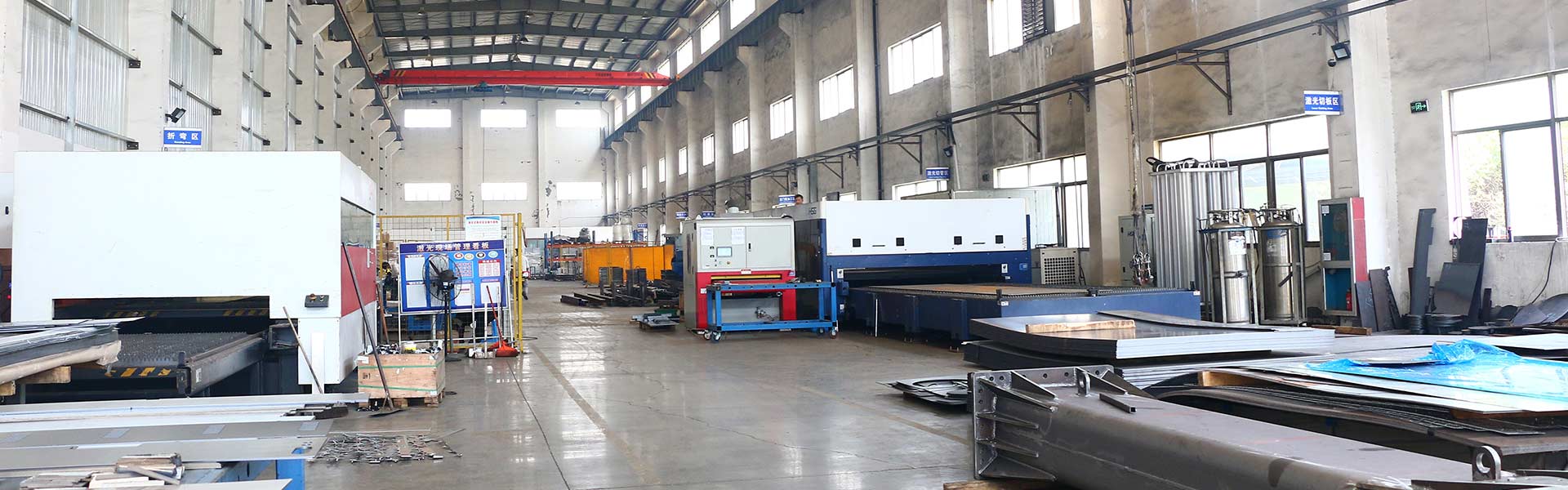
TOPOLO-TRUCK provides comprehensive OEM/ODM solutions for beavertail body building, covering professional body structure design, core component kit development, and large-scale production—tailored to your chassis specifications and transportation requirements.
Dimensions & Technical Specifications
| Item | Typical Range / Specification | Notes |
|---|---|---|
| Overall Body Length | 4.9 – 9.8 m (16 – 32 ft) | Customizable based on chassis |
| Deck Width | 2.4 – 2.6 m (96 – 102 in) | 102 in max legal width (US standard) |
| Deck Height (Loaded) | 0.6 – 0.9 m | Depends on chassis & suspension |
| Beavertail Angle | 5° – 10° | Fixed rear sloped section |
| Beavertail Length | 0.6 – 1.2 m | Reduces loading angle |
| Ramp Type | Fold-up / Slide-out / Hydraulic | Optional full-width ramp |
| Ramp Capacity | 4,500 – 9,000 kg | Matched to payload rating |
| Winch Capacity (Optional) | 4,500 – 9,000 kg | Front-mounted hydraulic or electric |
| GVWR Range | 6,350 – 11,800 kg | Depends on truck class |
| Tie-Down Points | 6 – 20 pcs | Rated heavy-duty anchor rings |
Materials Used in Construction
| Component | Common Materials | Features |
|---|---|---|
| Main Deck | Structural Steel / Aluminum (5052, 5083, 6061) | High strength / Lightweight option |
| Subframe | High-strength Carbon Steel | Reinforced crossmembers |
| Beavertail Section | Steel or Aluminum | Extra reinforcement at transition area |
| Loading Ramps | Steel / Aluminum | Heavy-duty or lightweight type |
| Rub Rails | Structural Steel | Integrated tie-down slots |
| Stake Pockets | Steel or Aluminum | Side extension compatibility |
| Tie-Down Rings | Heat-treated Steel | High tensile strength |
| Surface Finish | Powder Coating / Industrial Paint / Anti-slip coating | Corrosion resistance |
Optional Configurations
| Option | Specification |
|---|---|
| Hydraulic Ramp System | Full-width power ramp |
| Electric / Hydraulic Winch | 12V / 24V system |
| Anti-Slip Deck | Checker plate or sprayed liner |
| Toolboxes | Aluminum side-mounted |
| LED Lighting | Sealed waterproof system |
Choose Steel or Aluminum for Building Beavertail Bodies?
Beavertail bodies are built for strength, durability, and corrosion resistance.
When to Choose Steel
- You frequently transport heavy construction equipment.
- Maximum structural strength is required.
- Budget control is important.
- The truck operates in rough environments (mining, construction sites).
- Deck point-loading is very high.
When to Choose Aluminum
- You prioritize weight reduction.
- Fuel efficiency matters.
- The truck runs long distances.
- Corrosion resistance is critical (coastal, humid environments).
- You transport lighter equipment or vehicles.