Against the backdrop of continuous expansion and structural transformation in the global cold chain logistics industry, thermal insulated truck bodies—key equipment in temperature-controlled transportation—are entering a new phase of technological upgrading and market evolution. In recent years, industries such as fresh food distribution, e-commerce logistics, pharmaceuticals, and cross-border supply chains have placed increasingly higher demands on transport temperature stability and cost efficiency, accelerating the overall development of the insulated vehicle market.
Development Divergence Across Different Regions is Pronounced
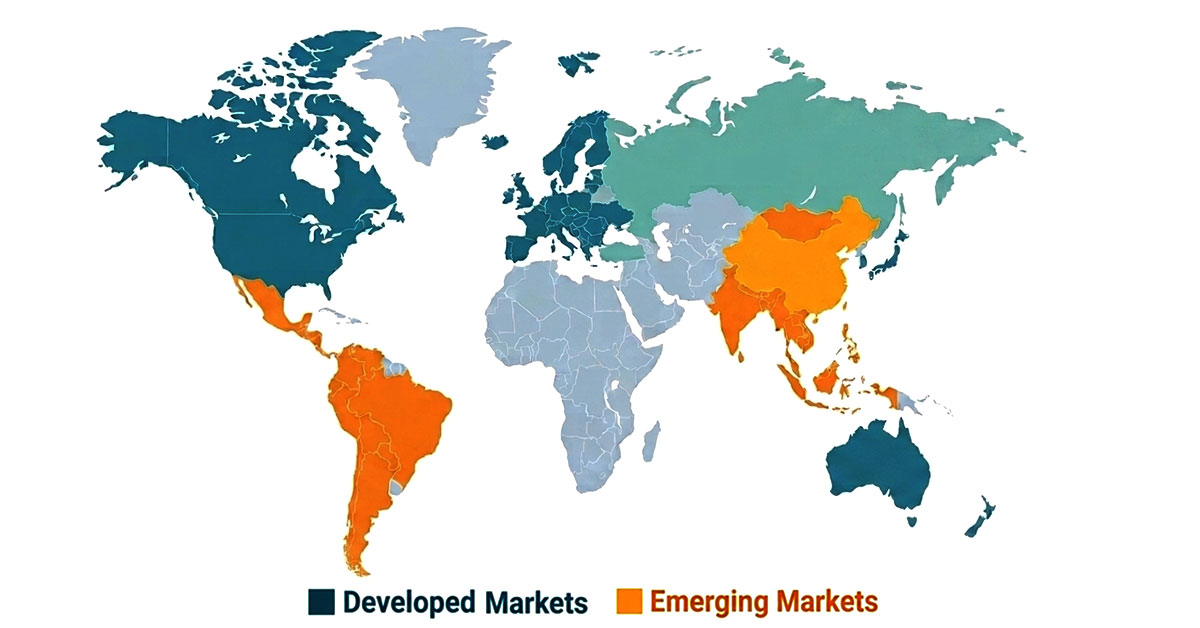
From a global market perspective, the cold chain logistics and transport sector has maintained steady growth in recent years, though regional markets exhibit distinct development patterns. Developed regions—such as Europe, North America, Japan, and South Korea—possess mature cold chain logistics systems and robust infrastructure; they enforce rigorous standards regarding temperature control precision, energy efficiency, environmental friendliness, smart capabilities, and service life, driving strong demand for high-end, customized insulated truck bodies. Meanwhile, emerging markets in Asia-Pacific, Latin America, and Southeast Asia are seeing rising cold chain penetration and significant growth potential, fueled by consumption upgrades and the expansion of cross-border e-commerce and fresh food retail; these markets prioritize cost-performance ratios, suitability for specific operational scenarios, and the efficiency of local assembly. Overall, while the global market for insulated truck bodies continues to expand, issues such as uneven regional development and inadequate equipment adaptability act as significant constraints on the comprehensive growth of cold chain logistics.
Industry Bottlenecks are Gradually Emerging, Making the Upgrading of Product Structures Imperative
- Beneath this rapid industry expansion, the limitations of the traditional insulated truck body sector are becoming increasingly apparent, rendering it ill-suited to the evolving demands of modern cold chain logistics.
- Traditional truck bodies often utilize outdated insulation materials, resulting in limited thermal performance and high energy consumption for temperature control; they are prone to temperature fluctuations during long-haul transport or in challenging climates, leading to cargo loss.
- Manufacturing methods remain rigid—typically relying on integral welding and metal frame structures—which entails complex processes, long production cycles, and high costs, while failing to achieve optimal lightweighting or energy efficiency.
- Product functionality is limited; conventional single-temperature-zone bodies cannot accommodate the simultaneous transport of diverse goods requiring different temperature ranges, resulting in low logistics efficiency and persistently high transport costs.
- Furthermore, truck bodies built with outdated structural designs and techniques suffer from poor durability, susceptibility to aging and deformation, and short service lives; high maintenance costs make them incompatible with the core objectives of modern logistics enterprises: cost reduction, efficiency improvement, and long-term operational viability.
- Additionally, some traditional designs lack ergonomic suitability and ease of use, failing to meet the operational requirements of diverse regions and transport scenarios.

Insulation Body Technology Continues to Undergo Iterative Upgrades
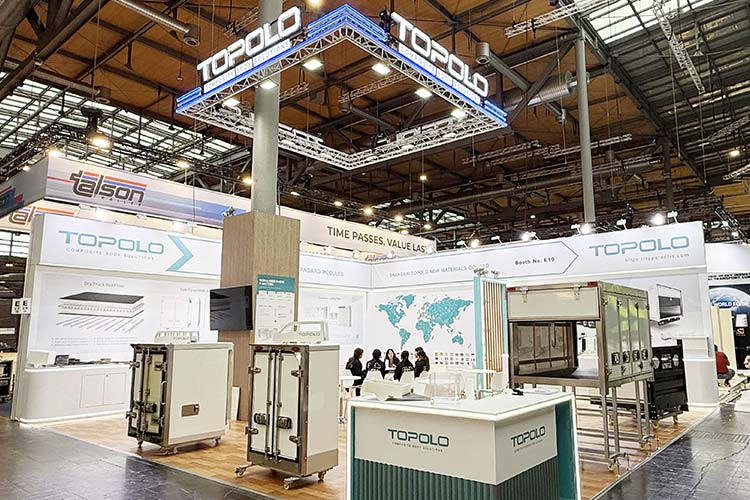
As a insulated truck body manufacturer, TOPOLO-TRUCK keeps a close eye on market trends. Leveraging strong R&D capabilities, the company has launched a series of disruptive cold chain equipment solutions, fully supporting deep OEM (Original Equipment Manufacturer) and ODM (Original Design Manufacturer) collaborations. Our insulated bodies are designed and manufactured in full compliance with the ATP (Agreement on the International Carriage of Perishable Foodstuffs or Accord Transport Perissable) standards. We strictly adhere to its technical requirements regarding thermal insulation performance, structural sealing integrity, and temperature control capability during transport.
☑ Pursuing Extreme Thermal Insulation Performance
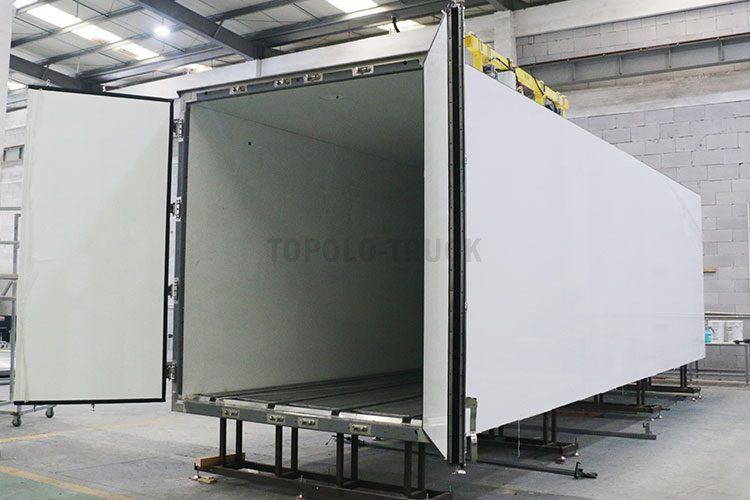
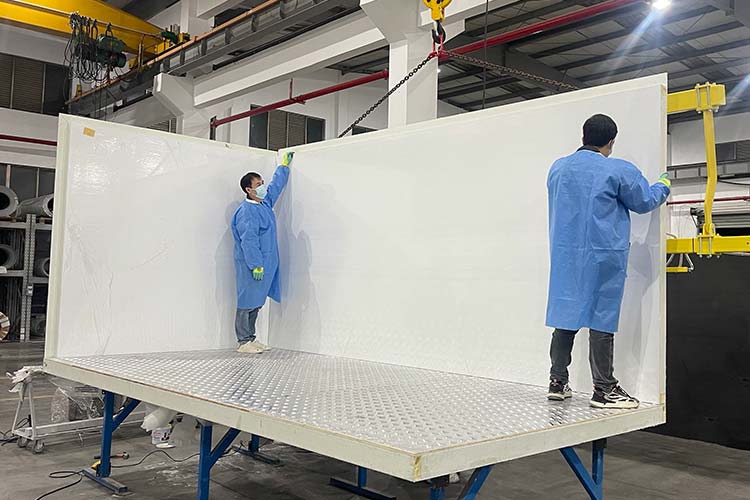
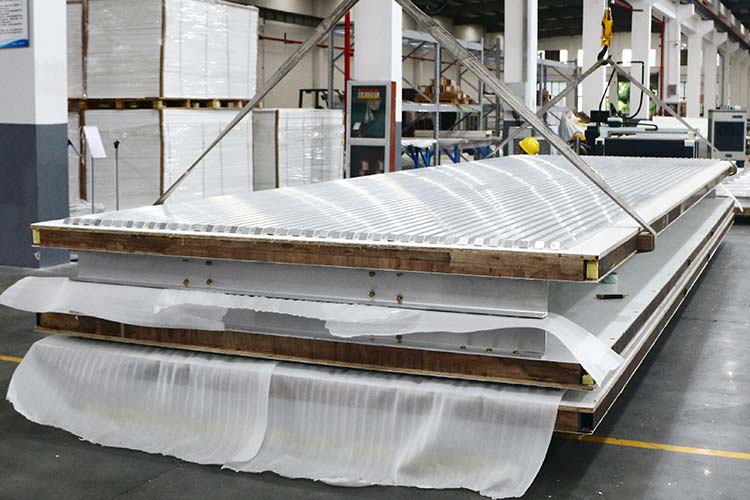
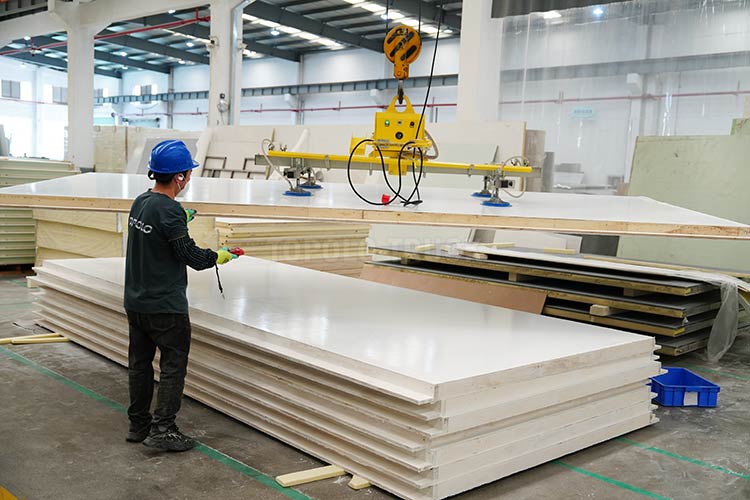
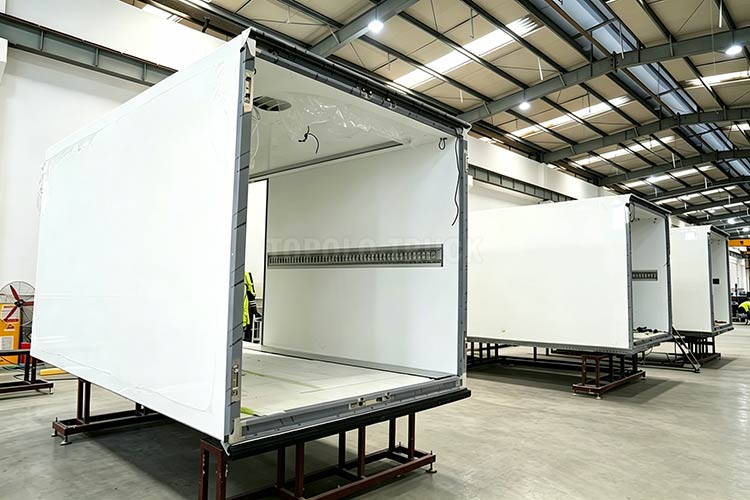
With the development and application of new thermal insulation composite materials and vacuum insulation technologies, combined with advanced integrated vehicle body molding processes, we are breaking through the limitations of traditional insulation materials. This significantly reduces heat loss in the cargo body, precisely maintains transport temperature, effectively lowers refrigeration energy consumption, and minimizes in-transit spoilage of cold-chain goods. It is fully adaptable to long-distance transportation, complex climates, and remote regions under demanding operating conditions.
☑ Pursuing Innovative Design
Moving away from outdated and homogenized designs, we place greater emphasis on body styling adaptability and operational experience optimization. By integrating regional road conditions, transportation scenarios, and operational habits, we refine vehicle structure, opening mechanisms, and control layouts. This enhances convenience and safety in operation while achieving a balance between aesthetics and practicality.
☑ Pursuing Simpler Manufacturing Processes
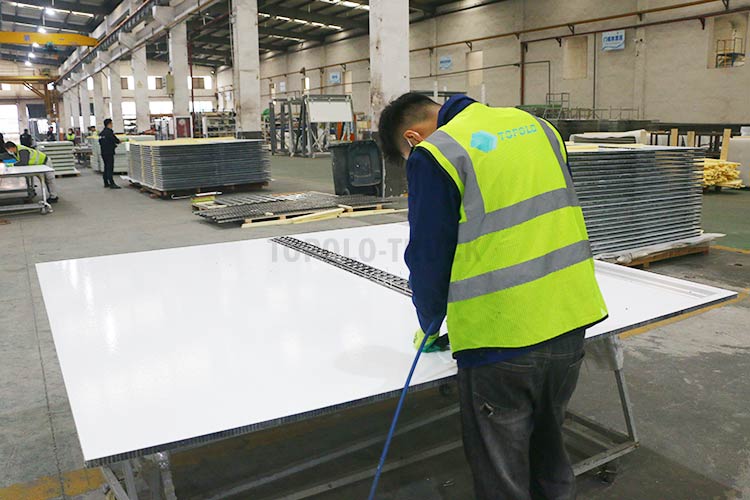
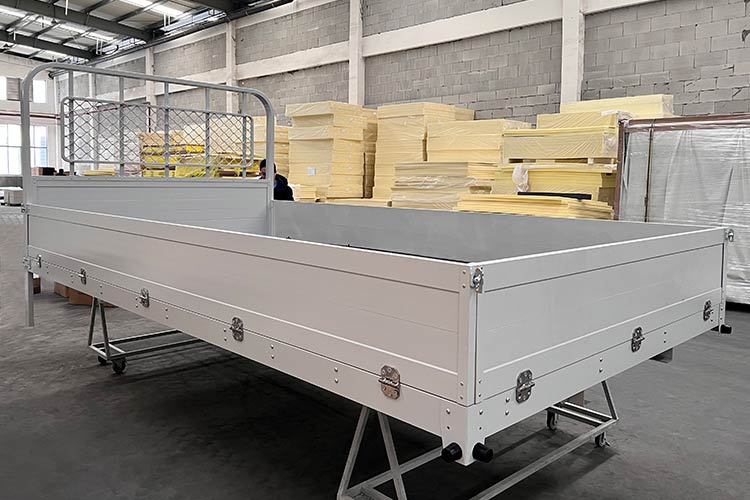
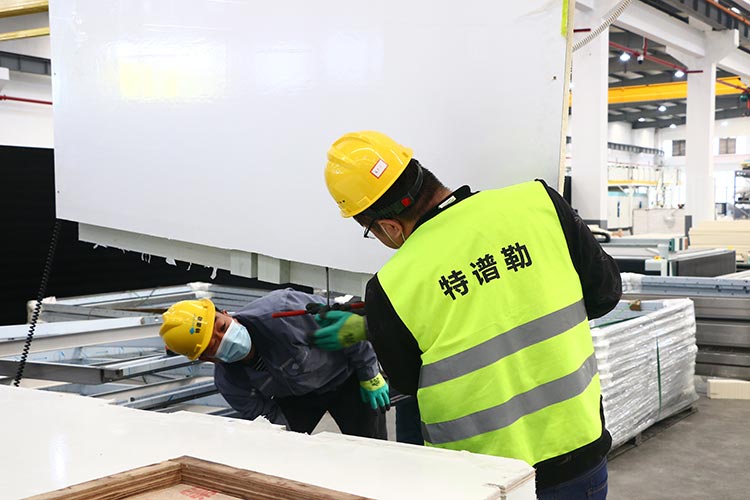
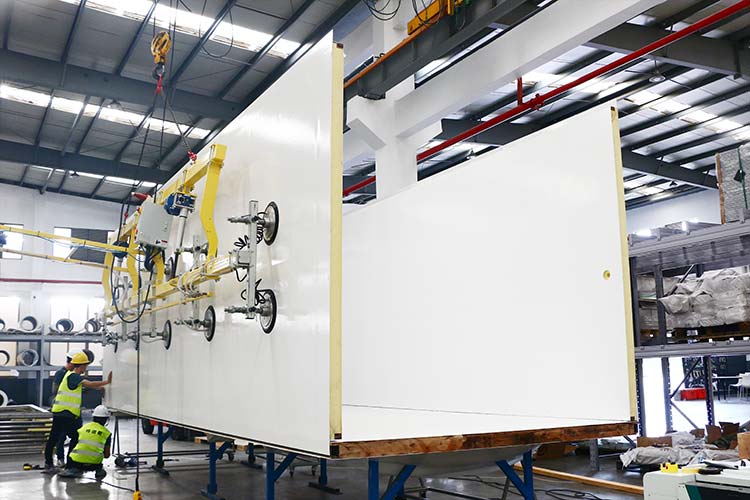
We simplify traditional complex production and assembly workflows by eliminating redundant processes. Relying on modular and standardized manufacturing systems, we significantly shorten production cycles and reduce manufacturing and assembly costs. At the same time, we improve product precision and consistency, making the solution ideal for large-scale and mass production demands.
☑ Functional Diversification, Beyond Single-Purpose Design
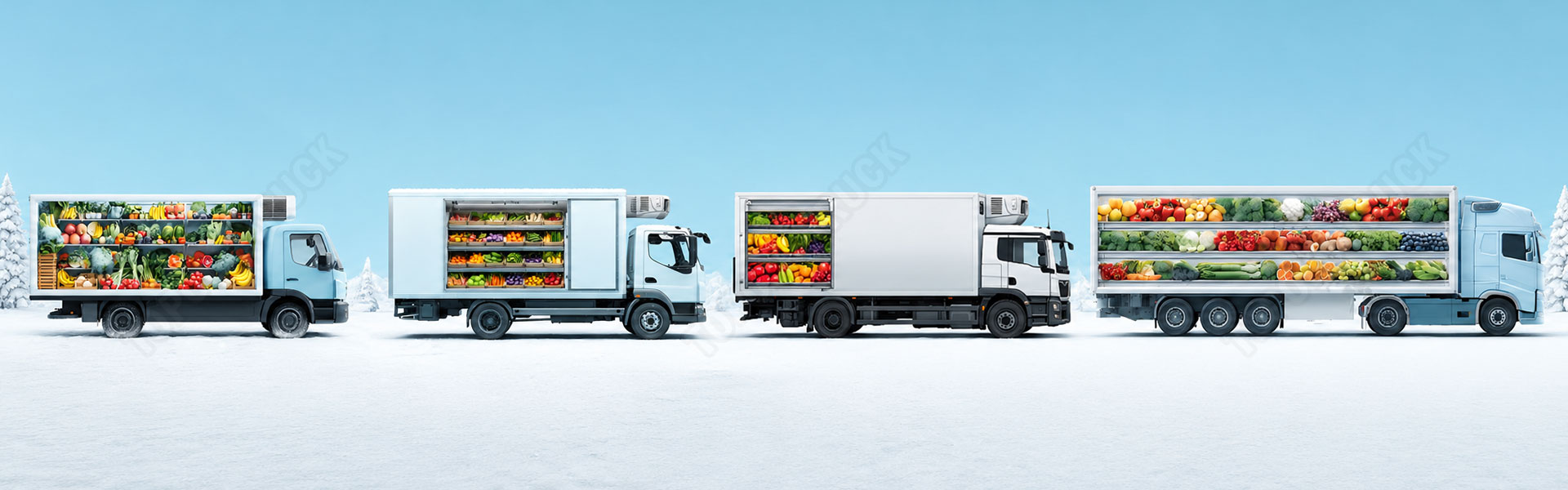
Today’s logistics companies and individual users are no longer satisfied with basic single-temperature or single-function insulated vehicles. Driven by cost reduction and efficiency improvement, customized vehicles with multi-temperature zones and multi-functional configurations capable of transporting diverse cargo types are increasingly preferred. The “one vehicle, multiple uses” design significantly reduces transport frequency, improves loading efficiency, and greatly lowers overall logistics costs.
☑ Strict Quality Control
We implement rigorous quality standards across the entire process—from raw material selection and process refinement to final product inspection. Our focus is on enhancing structural stability, anti-aging performance, corrosion resistance, and deformation resistance of the cargo body. This effectively extends service life, reduces long-term maintenance and replacement costs, and ensures reliable, long-term operation for cold-chain logistics systems.
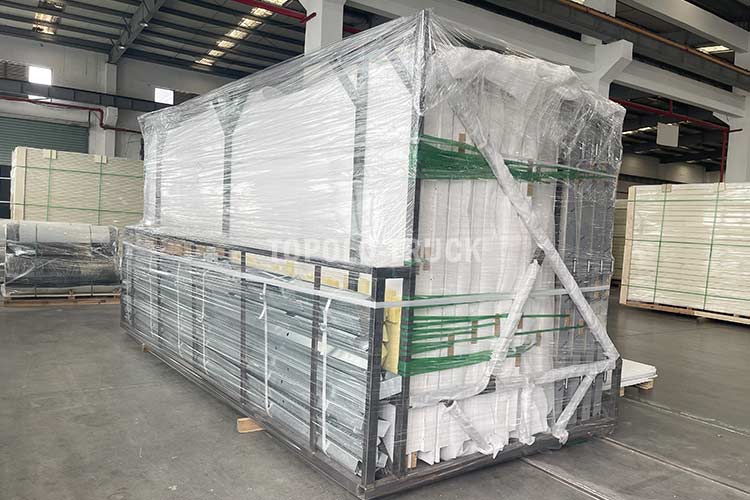
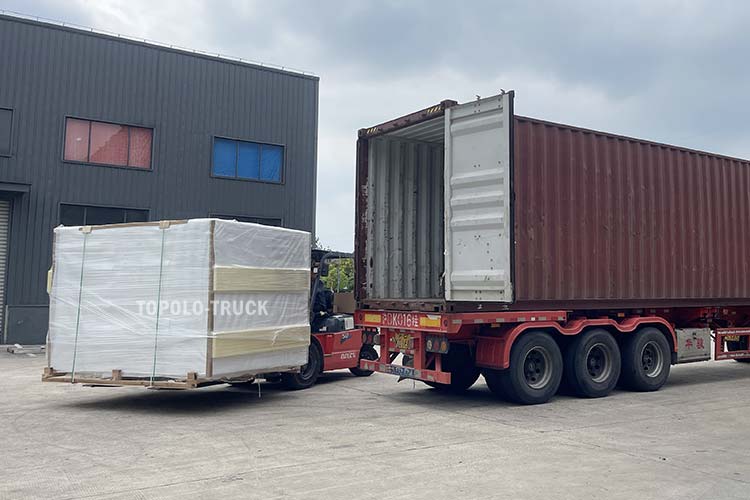
In the future, TOPOLO-TRUCK will continue to focus on the research and development of next-generation thermal insulation materials, upgrades in modular manufacturing processes, and iterative improvements in intelligent vehicle functionalities. The company will further optimize its one-stop customized service system, delivering diversified, high-performance, cost-efficient, and long-life insulated truck body solutions. Through these efforts, TOPOLO-TRUCK aims to help the global cold chain logistics industry overcome key development bottlenecks and drive continuous upgrades toward greener, more efficient, intelligent, and precision-oriented transportation systems, injecting sustained momentum into the high-quality development of the global cold chain sector.