
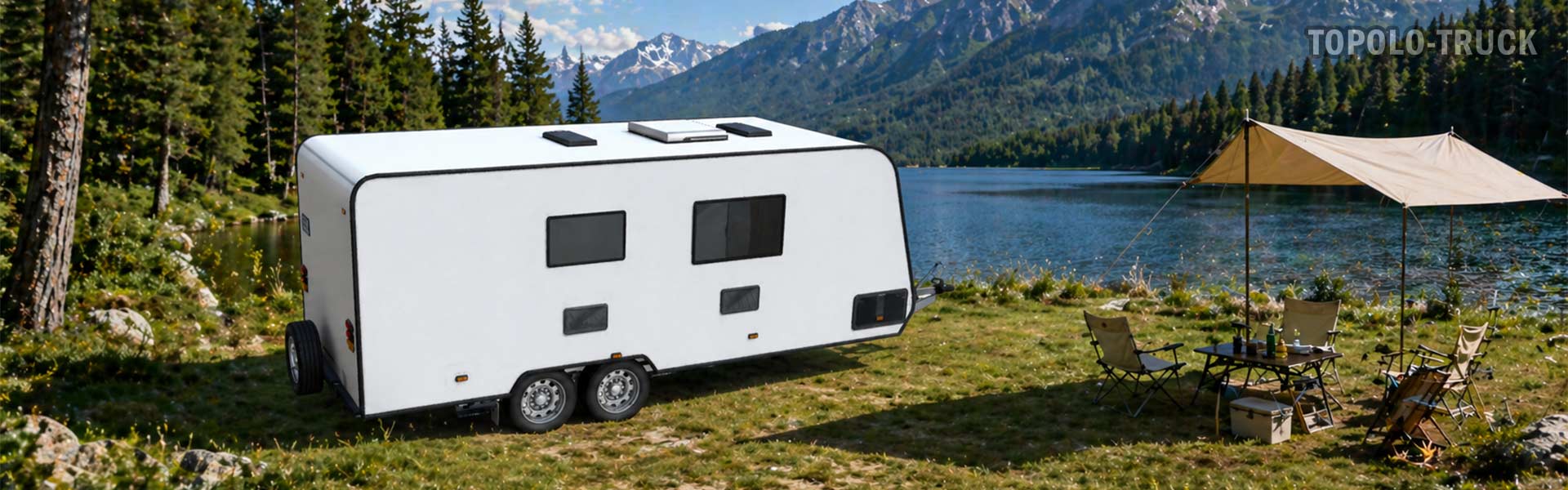
In the field of caravan manufacturing, the performance of materials directly determines the vehicle’s durability, comfort, and practicality. Thermoplastic fiberglass honeycomb panels, as a fully recyclable thermoplastic composite material, are rapidly becoming the preferred choice for building caravan shells due to their superior overall performance. They not only align with environmental trends but also achieve breakthroughs in core requirements such as lightweighting, structural strength, and waterproofing, completely changing the traditional construction logic of caravans.
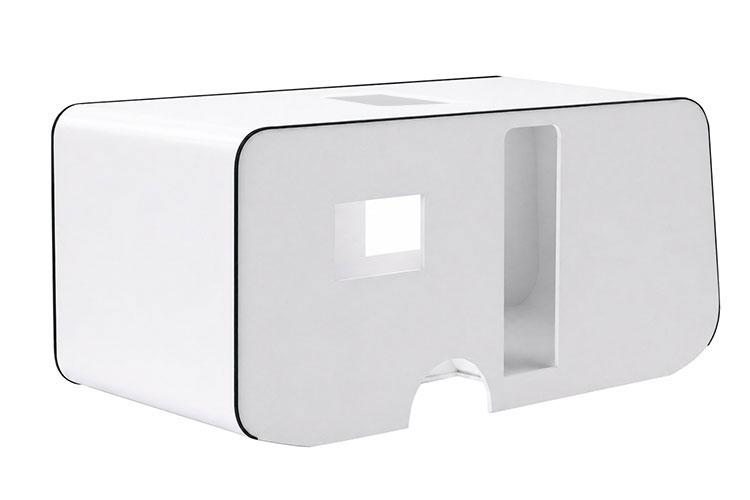
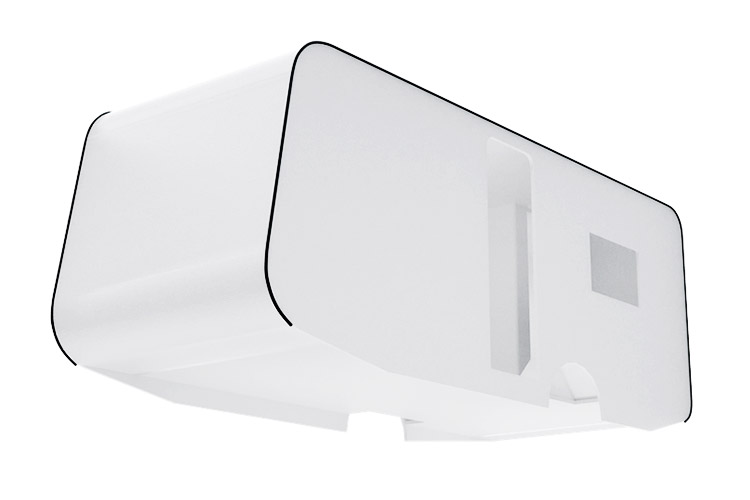
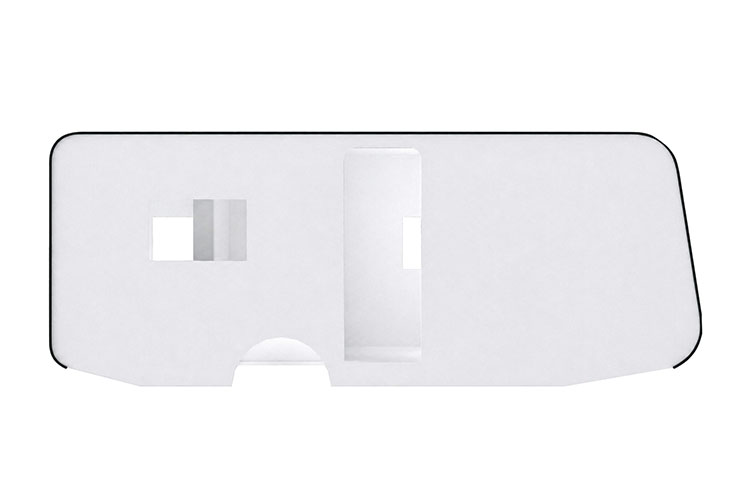

DESCRIPTION
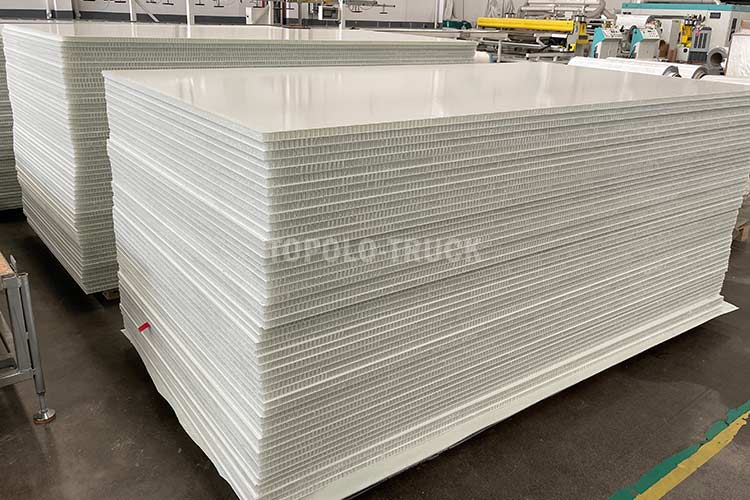
Thermoplastic Fiberglass Honeycomb Panels
The core structure of thermoplastic fiberglass honeycomb panels consists of two parts laminated together using thermoplastic lamination: the base layer is composed of thermoplastic fiberglass sheets (CFRT sheets) and a thermoplastic polypropylene honeycomb core, which are bonded together at high temperatures to form a stable “sandwich” structure. This structure retains the high strength of fiberglass while achieving lightweighting through the hollow design of the honeycomb core.
Schematic Diagram
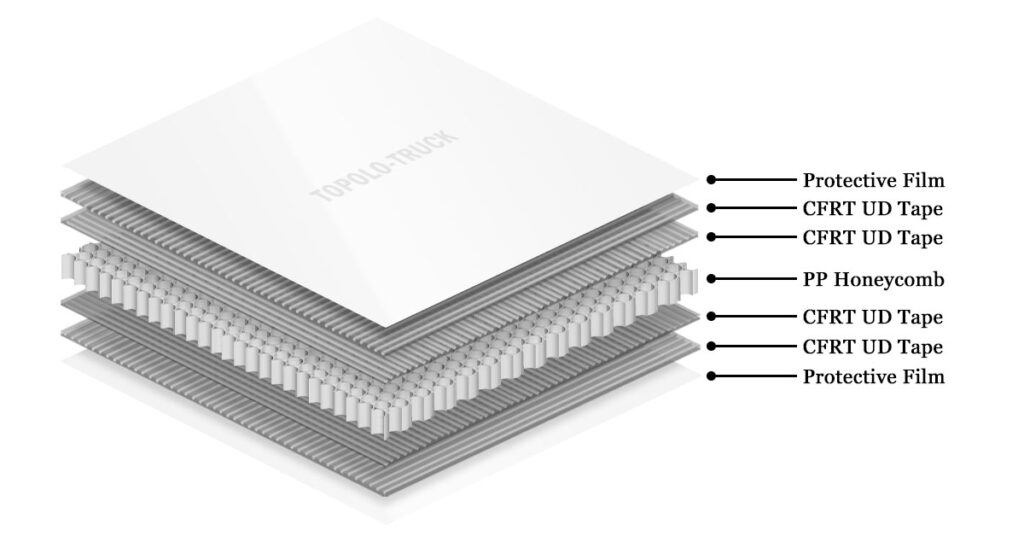
The surface is laminated with a PET/PVC decorative film, which is smooth, flat, and available in a variety of colors and patterns to match different caravan interior designs. Although its surface gloss differs from gelcoat GRP, the scratch-resistant and easy-to-clean properties of the decorative film better meet the needs of long-term use in caravans.
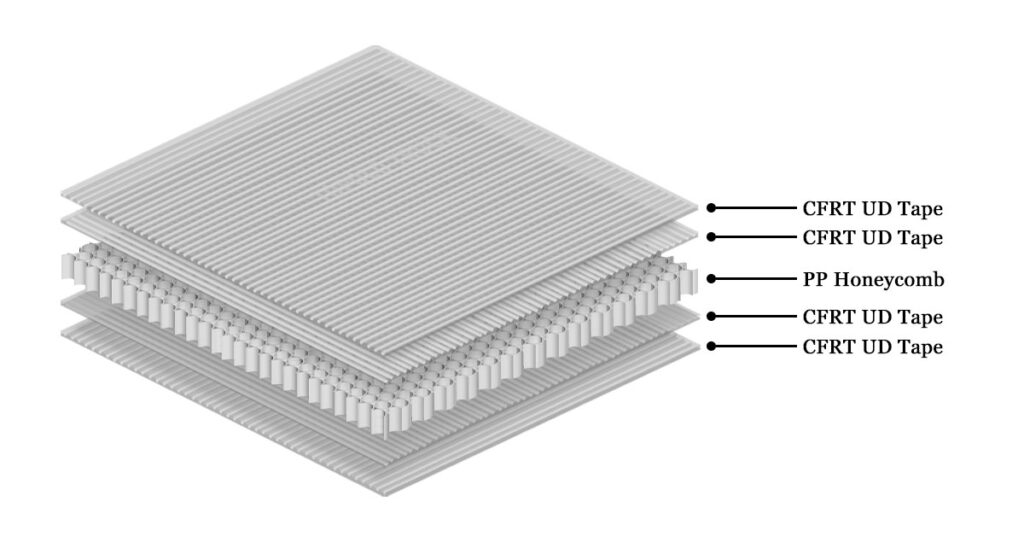
Without a Protective Film
Supplied without a protective film, the panels allow users to apply customized wrap films or coatings on the caravan body, enabling personalized designs, branding, or unique visual finishes according to individual preferences.
The Core Advantages of Materials
☑ Lightweight
Reduced Energy Consumption, Increased Range
Thanks to the hollow structure of the polypropylene honeycomb core and the lightweight properties of thermoplastic materials, the density of thermoplastic fiberglass honeycomb panels is significantly lower than that of traditional metal sheets, solid wood sheets, and gelcoat GRP sheets. For the same area, its weight is only 1/3 to 1/2 that of traditional materials. Using this material to build the caravan’s body shell can significantly reduce the vehicle’s weight, reducing fuel/electricity consumption during operation. Especially for new energy caravans, this effectively increases range and expands travel radius.
☑ Sturdy and durable
Stable Structure, Excellent Impact Resistance
Fiberglass sheets themselves possess high strength and high toughness. When combined with the honeycomb core, they form a “surface-core” synergistic stress-bearing structural system, significantly improving the panel’s compressive, bending, and impact resistance. Tests have shown that thermoplastic fiberglass honeycomb panels have a bending strength 2-3 times that of traditional panels, effectively resisting road bumps and minor collisions during driving, as well as external forces such as wind, sand, and tree branch impacts during outdoor parking. This ensures the long-term stability of the caravan’s structure and extends its service life.
☑ Waterproof
Completely sealed, fearless of humid environments
Thermoplastic materials themselves do not absorb or leak water. The panels utilize a one-piece thermoplastic composite process with no seams, and are further connected by hot-melt adhesive strips, creating a completely sealed structure for the entire caravan exterior. Whether driving in the rain, camping outdoors, or dealing with water stains after washing, the panels will not absorb water, become damp, or moldy. This completely solves the problem of traditional wood and metal panels being susceptible to moisture and corrosion, making it especially suitable for caravans used outdoors for extended periods.
How Fiberglass Honeycomb Panels are Securely Connected?
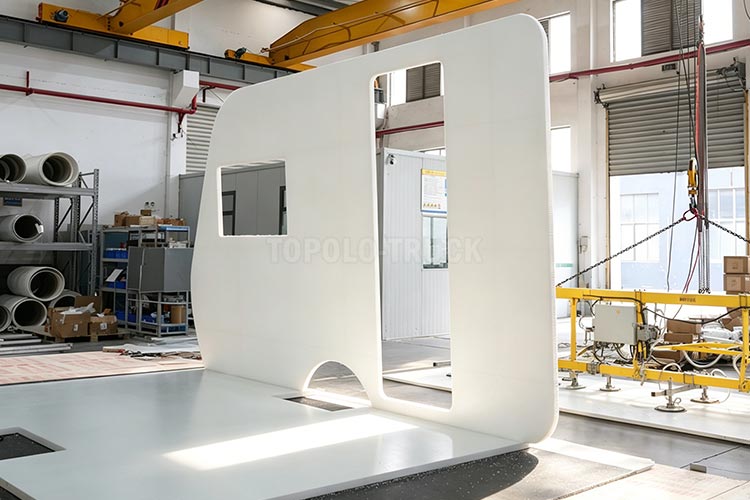
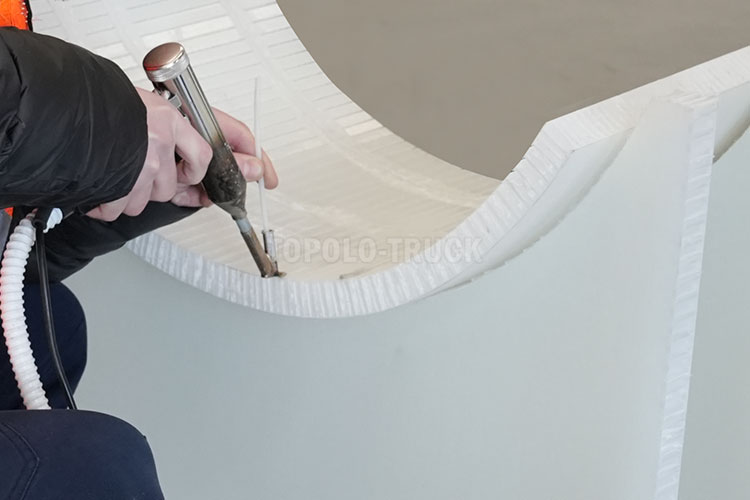
The caravan body shell adopts a monolithic honeycomb panel structure, where the core method of panel-to-panel connection relies on thermoplastic welding strips (hot-melt welding technology). This process fully utilizes the thermoplastic properties of the material: specialized equipment heats the welding strip, causing the edges of adjacent honeycomb panels to melt and fuse with the strip. Upon cooling, a strong and integral bond is formed.
The welding method offers three key advantages:
- Easy Operation
No complex professional welding skills are required. Ordinary operators can quickly master the process under on-site guidance or video instruction from technicians, significantly lowering the assembly threshold.
- Safe and Environmentally Friendly
The process involves no open flame and produces no toxic emissions, eliminating the safety risks and pollution associated with traditional metal welding.
- Suitable for Curved Designs
It enables precise welding of curved honeycomb panels, meeting the streamlined design requirements of caravan bodies while maintaining structural strength at curved joints, without compromising connection stability due to bending.
Choose Your Assembly Method
- Factory Assembly
Our professional technical team completes the precise cutting, positioning, and welding assembly of the honeycomb panel kits within our factory. The entire process follows strict quality control standards to ensure dimensional accuracy, joint strength, and sealing performance of the caravan body shell.
Once assembly is completed, the finished body shell is delivered to your designated location via professional logistics. You can then proceed directly with interior installation and equipment commissioning, significantly accelerating your caravan build project.
- DIY Assembly
We provide a complete honeycomb panel kit (including pre-cut panels and accessories) along with dedicated welding equipment. Comprehensive support materials are included, such as detailed assembly manuals and step-by-step video tutorials.
You can carry out the welding and assembly of the caravan body shell at your own facility, following the design specifications and construction guidance.